Beauty Insights by Fabi Pro Beauty

Your guide to hair extensions, color trends, and premium haircare in NYC.

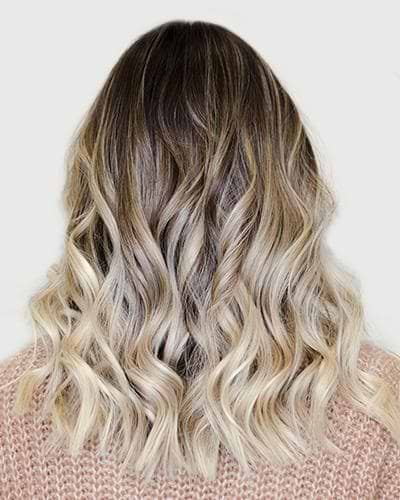
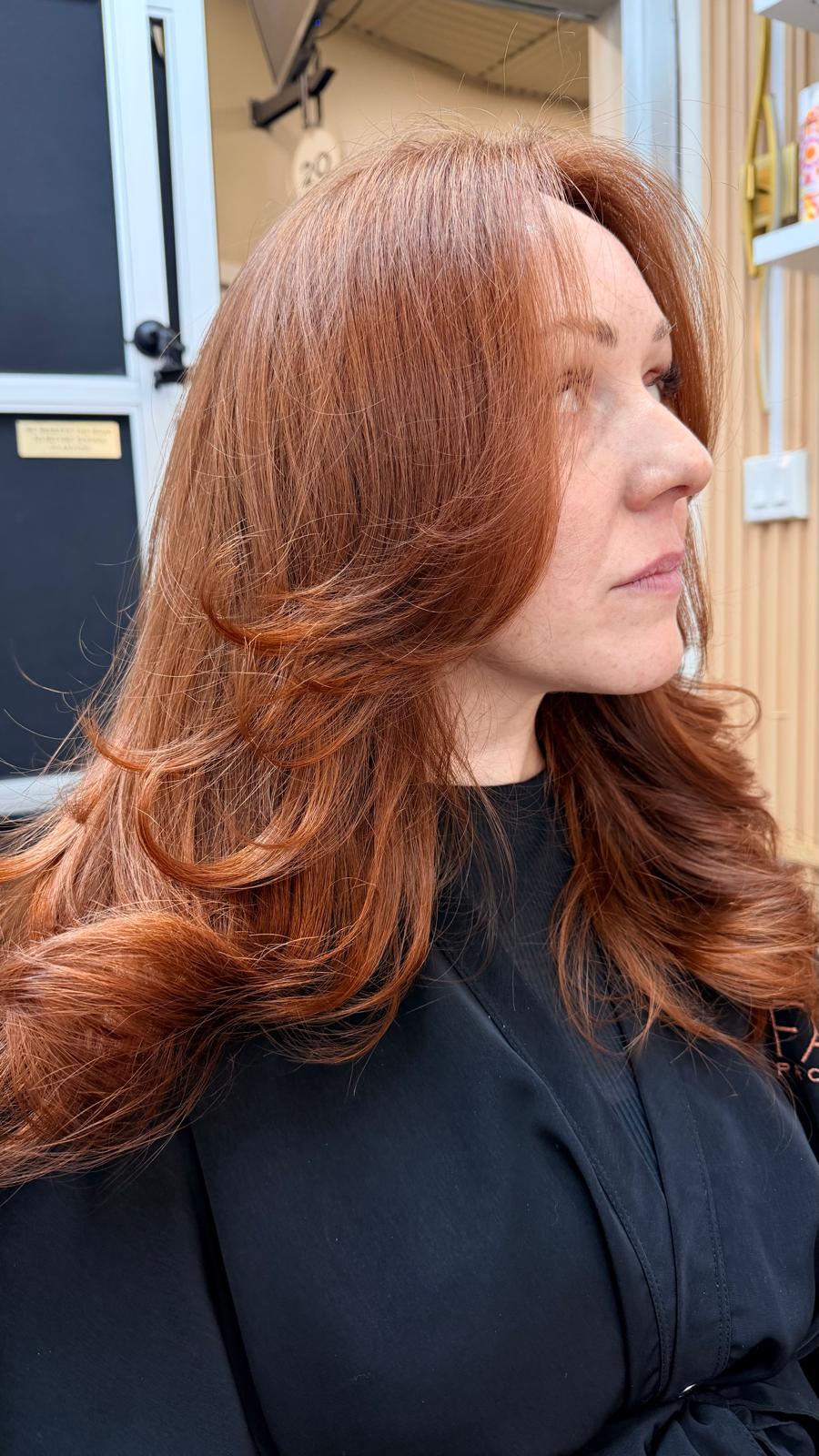
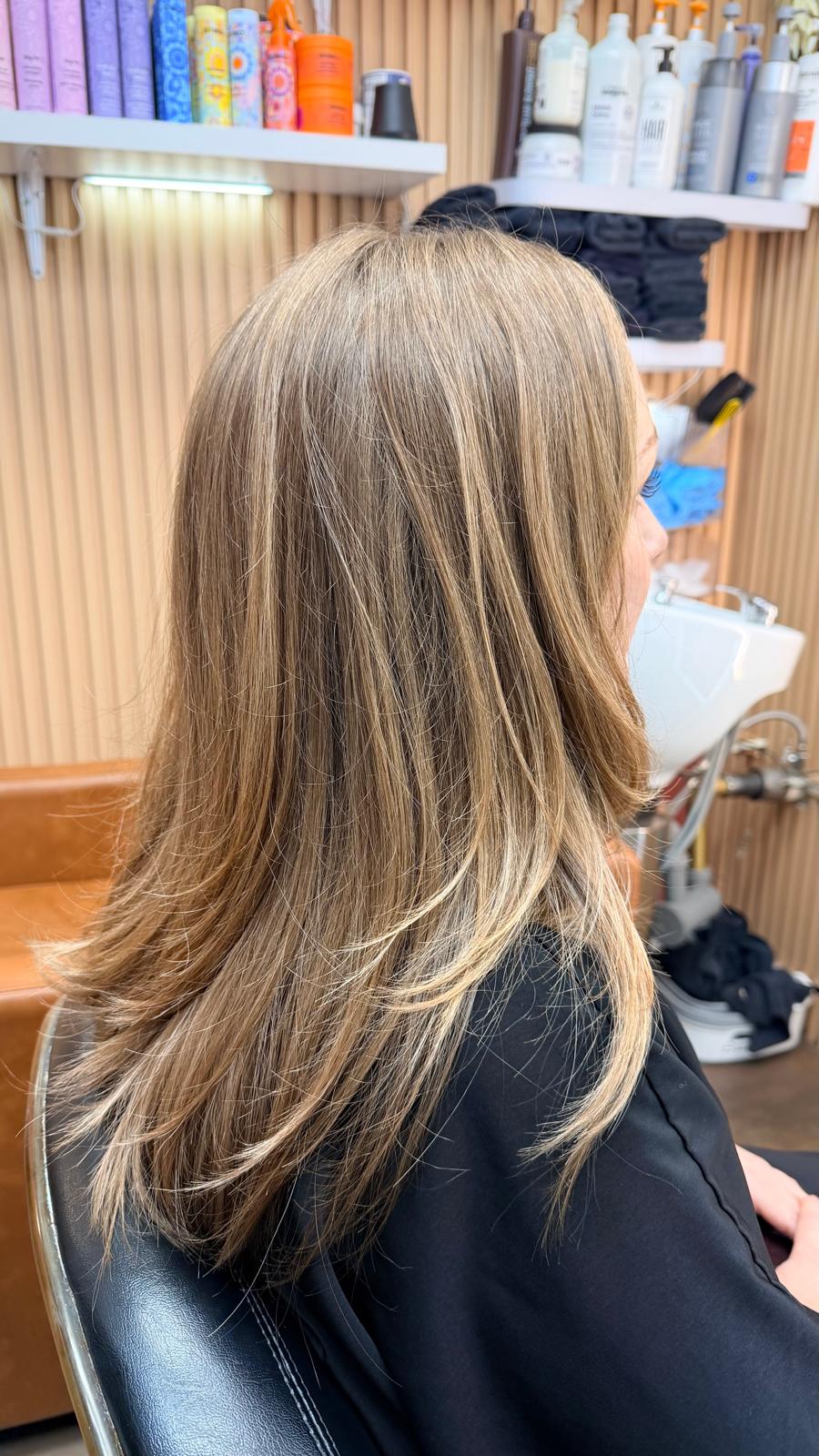
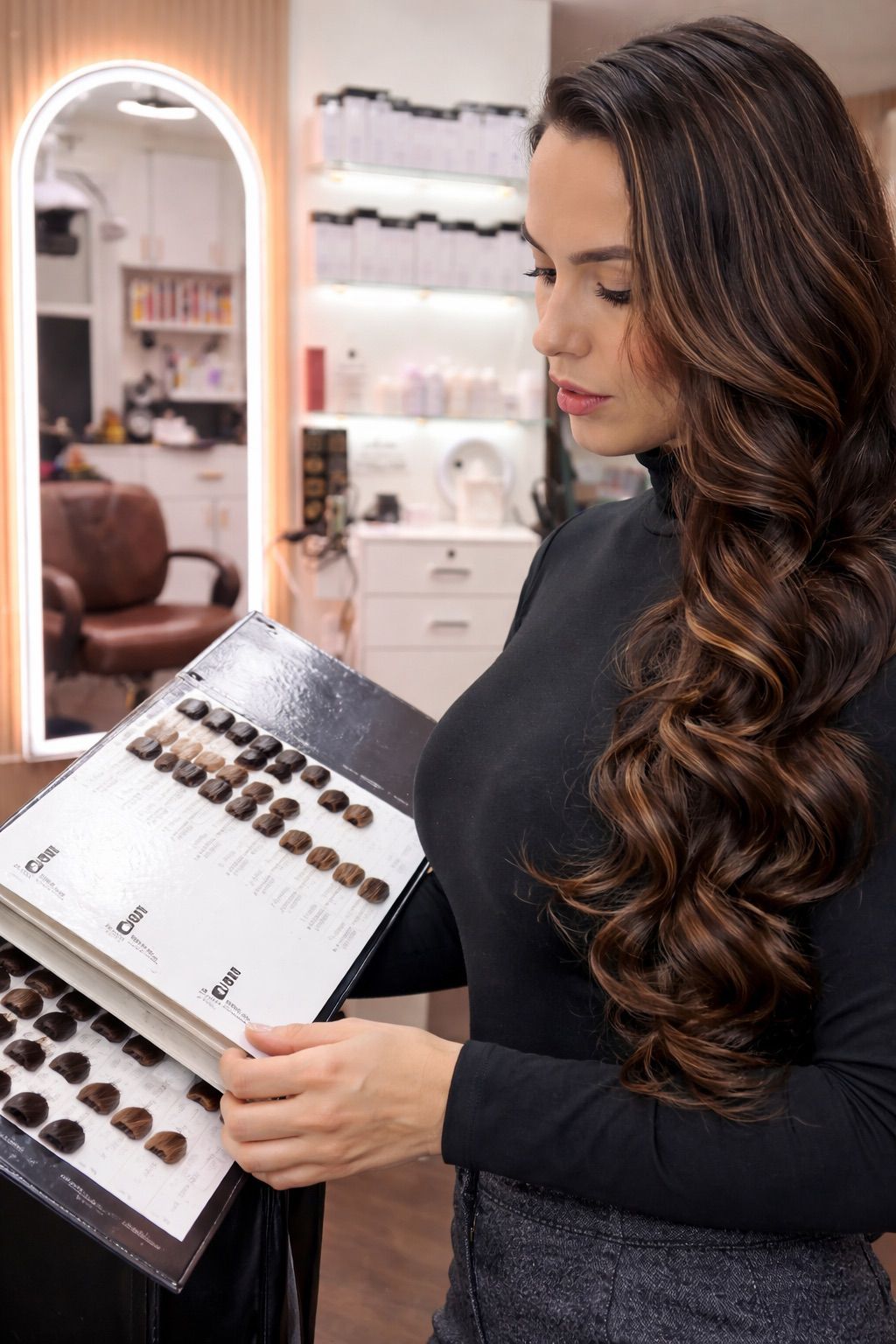
  • Balayage & Hair Color Specialist Nyc I Fabi Pro Beauty 2026 Hair Color Trends - 2026 Hair Color Trends: What’s In, What’s Out & How to Wear Them in NYC Hair color trends for 2026 are all about dimension, personalization, and effortless maintenance. Instead of extreme, one-note shades, clients are choosing colors that enhance their natural features, grow out beautifully, and fit their lifestyle — especially in a fast-paced city like New York. At Fabi Pro Beauty, we specialize in balayage and hair color services in NYC, creating modern, wearable looks that feel elevated, healthy, and timeless. Below are the top hair color trends you’ll see everywhere in 2026 — and how to make them work for you. 1. Lived-In Blonde Balayage Lived-in blonde continues to dominate in 2026, but with softer contrasts and more natural depth. This trend focuses on seamless blending, subtle face-framing highlights, and tones that complement your skin tone rather than overpower it. Balayage allows blondes to look bright without harsh regrowth lines, making it ideal for clients who want low-maintenance color with high impact. This look is perfect for busy professionals looking for balayage services in NYC that last longer between appointments. 2. Warm Bronde & Soft Brunette Dimension Ultra-cool tones are fading, making room for warmer, richer brunettes and brondes. Think caramel, chestnut, honey, and soft mocha tones layered through the hair for depth and movement. These shades confirm that brunette hair can be just as dimensional as blonde when placed correctly. Using balayage and foilyage techniques, brunettes can achieve natural brightness without losing richness. This is one of the most requested hair color services in NYC for clients transitioning from blonde back to darker tones. 3. Modern Copper & Soft Reds Copper is evolving in 2026 — less bold, more refined. Instead of vibrant orange reds, clients are opting for muted coppers, strawberry blondes, and rose-infused auburns. These shades are often blended with balayage for a softer, more wearable finish. When customized correctly, copper tones enhance warmth in the skin and add instant glow. Consultation is key for this trend, as maintenance and undertones vary depending on hair history. 4. Fashion Color with a Wearable Twist Fashion colors are still trending, but in a more subtle, sophisticated way. Pastel pinks, smoky lilacs, muted blues, and soft peach tones are being incorporated into balayage instead of full-head applications. This approach allows clients to enjoy creative color without heavy upkeep. Fashion tones are layered strategically so they fade gracefully and blend back into the natural base. At Fabi Pro Beauty, fashion color is fully customized as part of our balayage and hair color services in NYC, ensuring each look remains polished and wearable. 5. Grey Blending & Low-Contrast Coverage Instead of full grey coverage, more clients are choosing grey blending techniques that soften contrast and reduce harsh regrowth lines. This trend focuses on enhancing natural silver tones while maintaining dimension and brightness. Balayage and highlighting techniques are often used to blend greys seamlessly into the existing color, creating a more natural, youthful result. This is a long-term, low-maintenance solution that continues to grow in popularity across NYC. Why Consultation Matters for 2026 Hair Color Trends Hair trends are inspiration — not one-size-fits-all solutions. Hair history, maintenance preferences, lifestyle, and desired longevity all play a role in achieving the right result. That’s why every service at Fabi Pro Beauty begins with a personalized consultation. As a specialist in balayage and hair color services in NYC, we design each look to grow out beautifully while protecting the integrity of your hair. Balayage & Hair Color Services NYC If you’re ready to refresh your look for 2026, explore our balayage and hair color services in NYC, including: Custom balayage & dimensional color Blonde highlights & lived-in blondes Brunette & bronde transformations Fashion hair color & creative blends Grey blending & color corrections 📍 Midtown East Manhattan🎨 Private, one-on-one studio📅 Appointment only 👉 Book your hair color consultation today ... Read More
  • Grey Blending vs Full Grey Coverage: Which Is Best for You? | NYC Master Colorist - Grey Blending or Full Grey Coverage: Which One Fits Your Style? Some clients love a soft, natural blend, while others prefer complete coverage. Understanding the difference helps you choose the option that works best for your lifestyle and hair goals. What Grey Blending Means Grey blending uses highlights, lowlights, and toners to soften your natural grey. Instead of covering every strand, the technique diffuses the grey into your base color. This creates: A seamless transition A softer grow-out A natural, lived-in look Why Grey Blending Works for Many Clients This method is perfect if you want: A low-maintenance schedule A dimensional, natural look A softer root line A modern finish without harsh lines It’s ideal for clients who don’t want frequent retouches. What Full Grey Coverage Means Full coverage uses permanent color to hide all grey hair. The result is a rich, consistent shade from roots to ends — perfect for clients who want: Complete grey coverage A polished, traditional look Defined color with zero visible grey Which One Is Right for You? Choosing between grey blending and full coverage depends on: Your maintenance preference Your lifestyle Your existing color How much grey you have The overall look you want During your consultation, we’ll discuss your goals, hair history, and the technique that enhances your natural beauty. Final Thoughts Both grey blending and full grey coverage look beautiful when done correctly. The right option depends on your style, budget, and how often you want to return for touch-ups. Book your consultation today to choose the perfect option for YOU. ... Read More
  • Color Correction Appointment | NYC Master Colorist - What Happens During a Professional Color Correction Appointment? A color correction is not a simple service — it is a customized, strategic plan designed to fix unwanted tones, uneven color, banding, brassiness, over-processing, or previous color mistakes. Every correction is different because every hair history is different. Here is exactly what happens during a professional color correction appointment at Fabi Pro Beauty: Step 1: Detailed Consultation Your appointment begins with an in-depth consultation. During this time, your stylist evaluates your natural hair, existing color, previous formulas, extensions (if any), and your overall goals. This step is essential because every hair reacts differently depending on its history and condition. Step 2: Hair + Scalp Analysis Next, your stylist evaluates the elasticity, porosity, density, and overall health of your hair. Your scalp is also checked for sensitivity or dryness. These details determine which techniques, developers, and products can be safely used during your correction. Step 3: Understanding Your Color Goal Color corrections require realistic expectations. Together, we decide what is achievable in one session and what may require multiple appointments. Your hair integrity always comes first — healthy hair lifts better and holds color longer. Step 4: Customized Correction Plan Your stylist chooses the safest and most effective approach based on your hair needs. This may include: Gentle color removal Root adjustments Balayage or foilayage for blending Toner or gloss corrections Filling the hair before going darker Neutralizing unwanted warmth or ash tones Every step is tailored specifically for your starting point and end goal. Step 5: Treatment + Hair Integrity Care Color correction and hair health must go together. Professional treatments (Olaplex, Milbon, deep hydration, bond builders) are used to protect the hair, rebuild strength, and prepare the strands for future services. Step 6: Styling + Final Review Your service finishes with a beautiful blowout and style so you can fully see the transformation. Your stylist will walk you through: What was achieved today What the next steps are At-home care recommendations A maintenance schedule to keep your color balanced and healthy When Should You Book a Color Correction? You may need a correction if you notice: Uneven or patchy color Orange, yellow, or green tones Over-processed blonde Box dye build-up Dark roots with light ends Banding or spots Book Your Color Correction With a NYC Master Colorist A color correction requires experience, advanced education, and a deep understanding of hair chemistry — you are in expert hands at Fabi Pro Beauty NYC. 📍 Midtown East / Murray Hill, Manhattan ✨ Master Colorist with 10+ years of experience 💬 Custom consultations for safe, beautiful results 👉 Book your appointment here:https://go.booker.com/location/FabiProBeauty/service-menu ... Read More
  • Fabi Pro Beauty articles Best Hair Colors for Your Skin Tone | Master Colorist Guide NYC | Fabi Pro Beauty - THE BEST HAIR COLORS FOR YOUR SKIN TONE Choosing a hair color is not only about trends. Instead, it is about finding the shade that enhances your natural features. Because of that, understanding your undertone is the first step.  What Are Undertones? Your undertone is the subtle hue beneath your skin. It does not change, even if your skin gets lighter or darker during the year. How to Identify Your Undertone There are three undertones: warm, cool, and neutral. Look at your jewelry preference, your veins, or how your skin reacts to different shades.  Warm Undertones Warm undertones pair beautifully with golden shades. These colors add brightness and create a healthy glow.  Best Colors for Warm Skin Honey, caramel, bronze, golden brunette, warm beige, and rich copper tones all work well. Cool Undertones Cool undertones look amazing with ash-based or muted shades. These colors create softness and balance. Best Colors for Cool Skin Ash blonde, icy highlights, cool mocha, mushroom brown, smoky brunette, and neutral beige are great choices.  Neutral Undertones Neutral undertones can wear warm or cool tones easily. Because of this, they have the most flexibility.  Best Colors for Neutral Skin Neutral bronde, soft chestnut, beige blonde, and sandy brown work beautifully.  Eye Color and Shade Selection Your eye color also influences which hair shades look best. As a result, some tones can make your eyes stand out instantly.  Enhancing Your Eyes Brown eyes glow with warm tones. Blue and green eyes pop with cool shades. Hazel eyes look stunning with golden or caramel accents. Why Natural Hair Level Matters Your natural color determines how your hair lifts. It also affects how it absorbs pigment. Starting Level and Realistic Results Everyone’s hair responds differently. Therefore, two people with the same photo can get very different outcomes. The Importance of a Professional Consultation A personalized consultation ensures a safe and realistic plan. It also allows your stylist to understand your goals and your hair history. What Happens During a Consultation During a consultation, your stylist evaluates your undertone, your eye color, your starting level, and your hair health. These details help create a custom formula.  Final Thoughts The right hair color enhances your beauty in a natural way. With a personalized plan, everyone can find a shade that feels perfect. ... Read More
  • What to Bring to Your Hair Consultation | Realistic Expectations | Fabi Pro Beauty NYC - What to Bring to Your Hair Consultation: Realistic Expectations for the Best Results A successful hair transformation begins long before the first foil or the first color bowl. Your consultation sets the foundation for your results — especially for services like balayage, highlights, color corrections, extensions, keratin, or major changes. To help you get the most accurate assessment and the most beautiful outcome, here’s what you should bring (and expect) at your professional consultation at Fabi Pro Beauty NYC. 1. Bring Photos of What You Like Photos are incredibly helpful for understanding your vision. Choose: 2–3 inspiration photos you truly love Colors that feel close to your skin tone and lifestyle Realistic photos (not AI images or wigs with unrealistic shine or density) ✨ Tip: Avoid heavily filtered images; they can create expectations that are not possible on natural hair. 2. Bring Photos of Your Hair History If possible, show pictures of your hair from the last 12–24 months. This helps your stylist understand: Previous highlights Dark dyes or box color Haircuts and shape Any color mistakes Major hair changes over time Your hair history tells us how your hair will lift, how it reacts, and what techniques are safe. 3. Be Ready to Discuss Your Full Color History Transparency is everything during a consultation. Be honest about: At-home box dyes (even if it was “just once”) Previous color corrections Keratin or smoothing treatments Bleach services Hot tools usage Scalp sensitivity or allergies Your hair behaves differently depending on everything that has been done before — and this helps us avoid surprises and protect your hair integrity. 4. Bring Realistic Expectations Every head of hair is different. Photos are inspiration, not exact copies. What affects your final result: Your natural level Hair density and texture Porosity Past color How light your hair can safely go in one session Your maintenance preferences ✨ Remember: Great results happen with patience, honesty, and a personalized plan. 5. Bring Your Questions Consultations are a great time to ask: How many sessions you may need What is achievable today What techniques will be used How to maintain your results Cost expectations Extension methods (if applicable) No question is too small — we want you to feel confident and educated. 6. Bring Clean, Dry Hair (If Possible) Clean hair allows your stylist to clearly see your natural color, tones, texture, and scalp. However, avoid deep conditioners or heavy oils right before the visit, as they may affect how the hair reacts to color. 7. Be Open to Professional Guidance Your stylist will give expert recommendations based on your hair’s health, history, and goals. Sometimes your dream color requires multiple steps — because healthy hair always gives the best results. Why a Consultation Matters A personalized consultation is essential because: It prevents damage It ensures realistic expectations It creates a clear plan It builds trust It guarantees safer, more predictable results A proper consultation is the foundation of every transformation at Fabi Pro Beauty NYC. Book Your Consultation Ready to start your hair journey with a NYC Master Colorist? 📍 Midtown East / Murray Hill, Manhattan ✨ Specializing in balayage, color correction, highlights & hair extensions 👉 Book your consultation here:https://go.booker.com/location/FabiProBeauty/service-menu ... Read More
  • Why Your Hair Color Looks Dull | 5 Hidden Reasons & Fixes | Fabi Pro Beauty NYC - Why Your Hair Color Looks Dull: 5 Hidden Reasons and How to Fix Them If your hair color looks flat, dark, faded, or lifeless, you are not alone. Even professionally colored hair can lose shine over time. The good news is: there are clear reasons why this happens — and simple solutions to restore brightness and vibrancy. Here are the top five hidden reasons your color looks dull, plus expert fixes used at Fabi Pro Beauty NYC. 1. Product Buildup Is Blocking Shine Over time, your hair collects layers of: Dry shampoo Hard water minerals Oils and conditioners Silicone from styling products These layers sit on top of the hair, making it look darker, flat, and less reflective. ✨ Fix: Use a clarifying or detox treatment every 3–4 weeks. At the salon, a professional chelating treatment removes buildup instantly and reveals true color. 2. Heat Damage Is Dulling the Cuticle When hair is overexposed to hot tools, the cuticle becomes rough. As a result, hair stops reflecting light and color appears faded. ✨ Fix: Use heat protectant every single time. In addition, keep hot tools under 380°F, especially if you have highlights or a fresh color service. 3. Your Toner Has Faded Toners and glosses are demi-permanent. Therefore, they naturally fade with washing, sun exposure, and heat. When the toner disappears, the hair can start to look: Warm Muddy Yellow Orange Lifeless ✨ Fix: Refresh your gloss every 6–8 weeks to keep your tone vibrant and shiny. 4. Your Hair Needs Moisture or Protein Dull hair is often a sign of imbalance. If the hair is too dry → it looks rough and matte. If the hair is too weak → it collapses and loses movement. ✨ Fix: A professional treatment like Milbon, bond builders, or deep hydration masks restores shine, strength, and elasticity. 5. Sun, Pollution, and Water Are Affecting Your Color NYC water and environmental exposure can quickly dull color. Pollution causes discoloration. Sun fades your tone. Chlorine and minerals distort your gloss. ✨ Fix: Use UV protectant sprays, color-safe shampoo, and regular in-salon treatments to neutralize environmental damage. ⭐  Bonus: Daily Habits That Keep Your Color Bright To maintain shine between appointments: Wash less frequently (2–3 times per week) Use sulfate-free, color-safe products Apply hydrating masks weekly Avoid harsh shampoos Protect hair from the sun and hot tools Consistent care preserves your investment and keeps your hair looking fresh longer. Get Professional Shine & Vibrancy at Fabi Pro Beauty NYC If your color looks flat or dull, a personalized plan with a NYC Master Colorist can revive your tone in just one appointment. 📍 Midtown East / Murray Hill ✨ Expert in balayage, glossing, highlights & color correction 👉 Book your appointment here: https://go.booker.com/location/FabiProBeauty/service-menu ... Read More
  • Winter hair tips Winter Hair Routine in NYC | Protect Color & Extensions | Fabi Pro Beauty - Winter Hair Routine in NYC: How to Protect Your Color and Extensions Winter in New York City can be harsh on your hair. Cold temperatures, indoor heating, wind, and low humidity can quickly dry out your strands, fade your color, and cause frizz or breakage — especially if you have extensions or chemically treated hair. To help maintain shine, strength, and smoothness all season long, here is the ultimate winter hair routine recommended by Fabi Pro Beauty NYC. 1. Add Extra Hydration to Your Hair Routine Cold weather removes moisture from your hair, making it feel dry, tangled, and dull. Because of this, hydration becomes the most important part of your winter routine. ✨ What to do: Use a moisturizing shampoo and conditioner Apply a deep conditioning mask once a week Choose leave-in conditioners or hydrating serums Add oils only on the ends (never on extension bonds) This keeps your color glossy and prevents your extensions from drying out. 2. Protect Your Hair Color From Fading Winter wind, scarves, and hot showers can all accelerate color fading. Additionally, dry hair loses pigment faster. ✨ Keep your color bright by: Washing less frequently (2–3 times per week) Using a sulfate-free shampoo Refreshing your toner/gloss every 6–8 weeks Using UV and heat protection even in winter Healthy, protected hair holds onto color much longer. 3. Be Gentle With Your Extensions Extensions require extra care during winter because the cold can make your natural hair more fragile. ✨ Extensions care tips: Always detangle gently with a wide-tooth comb or extension brush Apply serum only on mid-lengths and ends Never use conditioner on the roots or keratin bonds Sleep with your hair in a loose braid to avoid friction Keep your scalp moisturized but clean Proper care helps prevent slipping, dryness, and matting. 4. Avoid Extremely Hot Water Hot showers feel amazing in winter — but they lift the hair cuticle, which causes: Faster color fading Dryness Frizz Weakness Tangling extensions ✨ Fix: Use warm water instead of hot. Finish with a cool rinse to help seal shine. 5. Use Heat Tools Carefully Because winter air is already dry, heat tools can cause even more damage if not used wisely. ✨ For healthier hair: Always apply heat protectant Keep hot tools under 380°F Limit heat styling to a few times a week Let hair air-dry partially before blow-drying This protects both your natural hair and extensions. 6. Protect Your Hair From Scarves & Coats Scarves, wool hats, and jacket collars can rub against your hair. As a result, you may experience: Frizz Breakage Tangled ends Extension matting ✨ Fix: Wear a silk or satin scarf underneath winter accessories to reduce friction and protect your style. 7. Book Seasonal Treatments Winter is the ideal time for in-salon treatments that hydrate, strengthen, and protect your hair. ✨ At Fabi Pro Beauty NYC, we recommend: Milbon deep conditioning treatments Bond-building glosses Repair masks Hydration boosters Toner refresh for shine These treatments keep your color vibrant and your extensions smooth. Beautiful Winter Hair Starts With the Right Routine NYC winter doesn’t have to ruin your color or extensions. With the right care, you can maintain softness, shine, and strength all season long. 📍 Midtown East / Murray Hill, Manhattan ✨ Expert in balayage, color, extensions & smoothing treatments 👉 Book your winter appointment here:  ... Read More
  • Nighttime Hair Routine for Extensions & Color | Fabi Pro Beauty NYC - Nighttime Hair Routine for Extensions and Color A consistent nighttime hair routine is essential for maintaining healthy hair, long-lasting extensions, and vibrant color. Proper care before bed reduces friction, prevents tangling, and helps preserve your results between salon visits. At Fabi Pro Beauty, we always educate our clients on simple habits that make a big difference. Brush Your Hair Before Bed Always gently detangle your hair before sleeping, starting from the ends and working your way up. This helps prevent knots, reduces tension at the roots, and minimizes stress on hair extensions. Brushing before bed also distributes natural oils evenly, keeping your hair smoother and healthier. Secure Hair with a Silk Scrunchie After brushing, loosely secure your hair in a braid or low ponytail using a silk or satin scrunchie. Avoid tight styles, which can cause tension and unnecessary pulling on extensions. This step reduces friction while you sleep and helps maintain smooth ends. Sleep on a Silk or Satin Pillowcase A silk or satin pillowcase helps reduce frizz, breakage, and moisture loss. Unlike cotton, silk creates less friction, allowing your hair to glide smoothly throughout the night. This is especially important for color-treated hair and extensions, which tend to dry out more easily. Apply a Lightweight Serum to the Ends Before bed, apply a small amount of lightweight serum or hair oil to the mid-lengths and ends. This adds moisture, enhances shine, and helps prevent dryness — particularly important for extensions and bleached hair. Avoid applying product near the roots or extension bonds. Why Nighttime Care Matters Healthy nighttime habits help: Extend the life of hair extensions Preserve hair color and toner Reduce breakage and split ends Keep hair smoother and more manageable Consistent care at home means better results at your next appointment. Professional Hair Care in NYC If you have questions about maintaining your extensions or color, book a consultation at Fabi Pro Beauty, where every service includes personalized aftercare guidance. Learn more about our balayage and hair color services in NYC for long-lasting, healthy results. 📍 Midtown East Manhattan🎨 Balayage, hair color & extensions specialist📅 Private, appointment-only studio 👉 Book your consultation today ... Read More
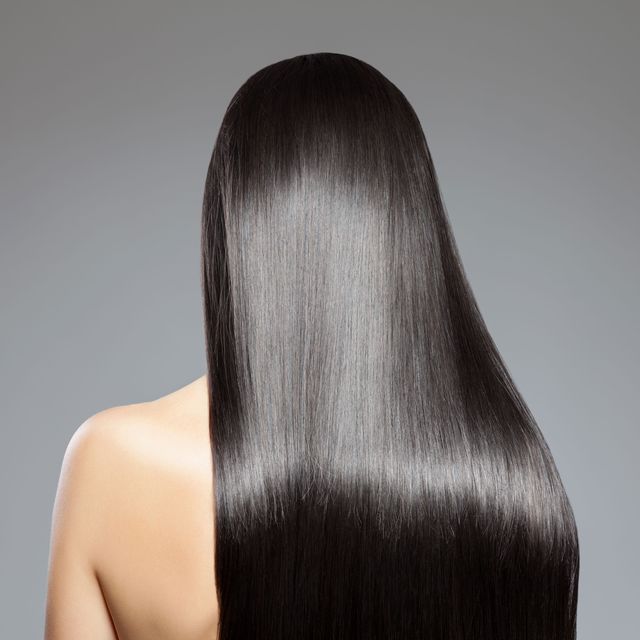
  • Magic Sleek - Fabi Pro Beauty Certified Salon Magic Sleek Treatment in NYC | Smooth & Frizz-Free Hair – Fabi Pro Beauty - ✨ **MAGIC SLEEK – Smooth, Shiny, Frizz-Free Hair in NYC** ✨ Magic Sleek is one of the most effective smoothing treatments available today. It leaves the hair shiny, soft, and frizz-free. As a **Magic Sleek Certified Stylist**, I follow the official steps to keep the hair healthy while creating long-lasting results. --- ## 💛 What Magic Sleek Does Magic Sleek improves the hair in many ways. It: - reduces frizz - softens curls - adds shine - controls volume - makes styling easier In addition, it is **formaldehyde-free** and safe when applied professionally. --- ## 🌟 Who Magic Sleek Is For This treatment works well for clients who: - deal with frizz or humidity - want smoother and softer hair - have curly, wavy, or coarse texture - want quicker blowouts - prefer a safe alternative to traditional keratin --- ## 🛠️ Step-by-Step Process ### 1. Consultation First, we review your texture, curl pattern, and hair history. ### 2. Clarifying Shampoo Next, the hair is washed to remove buildup and open the cuticle. ### 3. Application After that, the Magic Sleek solution is applied in small sections. ### 4. Processing Time The hair processes based on curl type and desired result. ### 5. Sealing Then, the product is sealed using a flat iron to smooth the hair. ### 6. Rinse + Mask The treatment is rinsed, and a mask is used for softness and shine. ### 7. Blowout Finish Finally, the hair is blow-dried to reveal a smooth and glossy look. --- ## 🧴 Aftercare Tips To maintain your results: - use sulfate-free or Magic Sleek approved shampoo - avoid chlorine or salt water for a few days - keep the ends hydrated - never sleep with wet hair --- ## 🔎 Important to Know Every client’s result can vary. It depends on: - curl pattern - porosity - hair density - color or chemical history - home-care products As a **Magic Sleek Certified Stylist**, I always adjust the treatment to protect your hair. --- ## 📍 Ready for Smooth, Shiny Hair? Book your Magic Sleek session in my private studio in **Midtown Manhattan, NYC**. ---   ... Read More
  • Best Hair Routine for Curly Hair | Moisture, Products & Curl Types - The Best Hair Routine for Curly Hair — Types, Care & NYC Specialist Guide Curly hair is beautiful, unique, and full of personality — but it needs the right routine to stay hydrated, defined, and frizz-free. As a NYC stylist specializing in all textures, here’s the full guide to caring for curls with moisture, protection, and the right product layering. Understanding Your Curl Type Curl care depends on your pattern. Here’s a simple breakdown: Wavy (2A–2C) Loose, S-shaped waves Needs lightweight moisture Use creams or light gels Curly (3A–3C) Defined curls Needs balanced moisture + protein Use leave-in + curl cream Coily (4A–4C) Tight curls or coils Needs deep hydration + oils Use rich masks + heavier creams 1. Use Moisture-Based Shampoo Curls need hydration from the start. Choose sulfate-free, hydrating shampoos that won’t strip natural oils. Moisture shampoo for soft curls Repair shampoo for fragile curls Clarifying shampoo every 2–4 weeks (NYC water!) 2. Deep Condition Every Week Curl hydration is everything. Use a moisture-rich mask once a week Detangle with fingers or a wide-tooth comb Leave on for 10–20 minutes 3. Use a Leave-In Conditioner Leave-ins help control frizz, define curls, and lock in hydration. Light leave-ins for waves Medium for curly hair Rich creamy leave-ins for coils 4. Add Curl Cream for Definition Curl creams shape your curl pattern without heavy crunch. Apply curl cream to: Wet hair for soft definition Damp hair for stronger hold 5. Seal the Ends With Serum or Light Oil Curl ends dry faster. A lightweight serum helps with shine, softness, and frizz control. Apply mid-shaft to ends — never at the root. 6. Use Gel or Gel-Cream for Hold For long-lasting curls, finish with a gel or gel-cream. Waves → gel-cream Curls → light or medium gel Coils → strong gel or custard Scrunch gently upward to encourage curl formation. 7. Drying Your Curls Use a microfiber towel or cotton T-shirt Avoid rough towel drying Diffuse on low heat Or air-dry for natural definition 8. Nighttime Routine Night protection prevents tangles and frizz. Sleep on a satin/silk pillowcase Pineapple your curls (loose high ponytail) Use a silk bonnet for extra protection 9. How Often to Wash Curly Hair Wavy: 2–3 times weekly Curly: 1–2 times weekly Coily: 1 time weekly or every 10 days 10. When to Refresh Curls Spray water + leave-in + a small amount of curl cream. Scrunch and let air-dry. Book Your Curl-Care Appointment in NYC Want a personalized routine for your curl type? Book a curl consultation or hydrating treatment at Fabi Pro Beauty in Midtown Manhattan. Book now → https://fabiprobeauty.com/book ... Read More
  • Fabi Pro Beauty - Color & hair extensions Best Hair Routine for Brunettes | NYC Master Colorist Guide - The Best Hair Routine for Brunettes — NYC Master Colorist Guide Brunette hair is naturally rich, shiny, and dimensional — but it can fade, turn brassy, or look dull without the right routine. Whether you’re a dark chocolate brunette, caramel balayage, mocha, or chestnut, this guide will help you maintain your shade beautifully. 1. Wash Your Hair 2–3 Times per Week Overwashing causes brunette color to fade quickly, especially warm or balayage brunettes. Best routine: Wash 2–3 times weekly Use warm — not hot — water Finish with cool water to seal shine 2. Use Sulfate-Free Shampoo Sulfates pull out brunette pigments and expose unwanted red/orange undertones. A gentle sulfate-free shampoo preserves your depth and tone. 3. Deep Condition Every Week Brunette hair needs moisture to stay shiny, silky, and reflective. Use hydrating masks once a week Choose repair masks for highlighted brunettes 4. Add Shine Serum Daily Shine is EVERYTHING for brunettes. A small amount of serum keeps hair glossy and frizz-free. Apply to mid-shaft & ends daily. 5. Gloss Every 6–8 Weeks Glosses deepen brunette tones, reduce brass, add shine, and seal the cuticle. Mocha → use neutral or cool gloss Chestnut → warm caramel gloss Balayage brunettes → neutral beige gloss Dark brunettes → deep cocoa gloss Glossing is the secret to expensive-looking brunettes. 6. Protect from Heat Heat fades brunette pigment faster and causes orange tones to appear. Use heat protectant every time Keep hot tools under 350°F 7. Avoid Hard Water (NYC Issue) NYC water causes brunette hair to fade and turn warm or brassy. Use clarifying shampoo weekly Schedule monthly detox treatments 8. Salon Maintenance Schedule Full color: every 6–10 weeks Balayage refresh: every 3–6 months Gloss: every 6–8 weeks Haircut: every 8–12 weeks Ready for a Brunette Refresh? Book your brunette service at Fabi Pro Beauty and get a customized routine for healthy, shiny, dimensional hair. Book now → https://fabiprobeauty.com/book ... Read More
  • Best Blonde Hair Routine | NYC Master Colorist Guide to Healthy Blondes - The Best Hair Routine for Blondes — NYC Master Colorist Guide Blonde hair is beautiful, bright, and eye-catching — but it also needs special care to stay healthy, shiny, and free of brass. Whether you’re icy blonde, beige blonde, golden, balayage, or highlights, this is the ultimate blonde-care routine created by a NYC Master Colorist. 1. Wash Your Hair 2–3 Times a Week Over-washing fades toner, dries your hair, and causes brassiness. Blonde hair lasts longer and stays healthier when you wash less often. Best routine: 2–3 washes per week for balayage or highlighted blondes 1–2 washes per week for high-lift or platinum blondes 2. Always Use Sulfate-Free Shampoo Sulfates strip toner and remove essential moisture that blondes need. A gentle, color-safe shampoo keeps your blonde bright and hydrated. 3. Use Purple Shampoo Correctly Purple shampoo is not for daily use — and overusing it can turn blonde dull, gray, or patchy. Use once a week or every 10–14 days. Apply only to mid-shaft and ends Leave for 1–3 minutes Never use right after a fresh toner It is a maintenance product — not a replacement for salon toning. 4. Deep Condition Weekly Blonde hair is more porous and loses moisture faster. A weekly mask keeps hair soft, strong, and flexible. Hydrating mask for dry blondes Protein mask for damaged or fragile blondes Bond-building mask for breakage 5. Use Heat Protectant Every Single Time Heat damage shows quickly on blondes because the cuticle is already more fragile. Apply heat protectant before blow-drying Use on dry hair before flat irons or curling Keep heat under 325–350°F This is the #1 rule for blondes who want long, healthy hair. 6. Add Shine Serum to the Ends Daily Blondes need more hydration because natural oils struggle to travel down the hair shaft. Apply a lightweight serum or oil daily to the mid-shaft and ends. This prevents dryness, split ends, and frizz. 7. Gloss or Toner Every 4–8 Weeks All blondes fade — even the healthiest ones. Toners and glosses keep your blonde: Fresh Bright Neutral or cool Shiny Healthy and sealed Blondes should gloss every 4–8 weeks for perfect tone. 8. Protect Your Blonde From the Sun UV light fades blonde and exposes the warm tones underneath. Use UV-protectant hair products Wear hats for the beach or long sun exposure Avoid salt water without protection 9. Avoid Hard Water When Possible NYC water has minerals that make blondes turn yellow/orange. Signs of hard water on blondes: Greenish tint Orange/yellow tones Dry, sticky ends Use a clarifying shampoo or schedule monthly detox treatments. 10. Schedule Regular Salon Maintenance Root touch-up: every 6–10 weeks Face-framing refresh: every 8–12 weeks Full blonding: every 4–6 months Healthy blondes are planned blondes. Ready for a Blonde Transformation? Whether you love cool blonde, beige blonde, baby lights, or a soft sun-kissed look, I create custom blonding designed for your skin tone, lifestyle, and maintenance level. Book your blonde appointment at Fabi Pro Beauty in Midtown East Manhattan. Book now → https://fabiprobeauty.com/book ... Read More
  • FABI PRO BEAUTY HAIR EXTENSIONS How to Grow Long, Healthy Hair | NYC Long Hair Specialist Guide - How to Grow Long, Healthy Hair — NYC Long Hair Specialist Guide Growing long, healthy, shiny hair is possible for everyone — but only if you follow the right routine. As a NYC long-hair and extensions specialist, here is the complete guide to growing your hair faster, stronger, and healthier. 1. Trim Your Ends Regularly Trimming every 8–12 weeks prevents split ends from traveling up the hair shaft. You do NOT need to cut a lot — even a “dusting trim” protects your length. Skipping trims = slower growth because the hair breaks faster than it grows. 2. Strengthen Your Hair With Protein Long hair needs internal strength. Add protein treatments such as: Milbon Repair Hair Botox Bond-building treatments These treatments prevent breakage so the hair retains length. 3. Nourish the Ends Daily Apply a light serum or oil to the ends every day: Argan oil Silicone-based serum Lightweight shine oil Long hair dries out easily because natural oils can’t travel to the ends. 4. Use Sulfate-Free Shampoo Sulfates strip the hair’s natural oils and cause dryness, tangles, and breakage — especially on long or color-treated hair. 5. Avoid Overwashing Washing too often removes natural oils needed for growth. Best routine: wash 2–3 times a week. 6. Protect Your Hair From Heat Heat is one of the biggest causes of breakage. Always use heat protectant Keep heat under 350°F Limit flat ironing 7. Protect Your Hair While Sleeping Nighttime friction causes tangles, dryness, and breakage. For healthy growth: Sleep on a silk or satin pillowcase Put your hair in a loose braid Apply a small amount of serum to the ends 8. Brush Gently Start from the bottom and work up. Avoid harsh brushing — especially when wet. Use a wide-tooth comb Never brush soaking wet hair Brush daily to distribute natural oils 9. Deep Condition Weekly Your hair needs hydration to stay elastic and strong. A weekly mask keeps your hair soft and prevents breakage. 10. Avoid Tight Hairstyles Ponytails, buns, and braids that pull at the scalp can cause traction breakage. Choose loose, comfortable styles. 11. Take Care of Your Scalp Healthy hair starts with a healthy scalp. Consider monthly treatments for: Scalp detox Dry scalp issues Oil buildup Hard water mineral removal 12. Eat for Hair Growth Hair grows best when your body has the right nutrients: Protein Omega-3 fatty acids Biotin Iron Zinc 13. Consistency Is Everything Long, healthy hair does not require magic — it requires consistency. Follow these simple steps and you will see stronger, shinier, longer hair in months. Book Your Long-Hair Treatment in NYC Want a personalized long-hair routine or a healthy trim? Visit Fabi Pro Beauty in Midtown Manhattan for a customized plan. Book now → https://fabiprobeauty.com/book ... Read More
  • What Causes Split Ends & How to Prevent Them | NYC Haircut Expert - Split Ends: What Causes Them & How to Prevent Them (NYC Haircut Expert Guide) Split ends are one of the most common hair concerns for clients with long hair — especially in NYC where weather, heat styling, and city pollution can dry the hair quickly. As a NYC haircut and long-hair specialist, here is the complete guide to what split ends are, why they happen, and how to prevent them. What Are Split Ends? Split ends happen when the protective outer layer of the hair (the cuticle) becomes damaged and begins to fray or separate. Once the hair splits, it cannot be repaired — it must be trimmed. You can reduce the appearance, but you cannot “glue” a split end back together. The only real cure is a professional haircut. Most Common Causes of Split Ends 1. Heat Styling Blow-drying, flat irons, curling irons, and hot tools weaken and dry the ends, making them vulnerable to splitting. 2. Infrequent Haircuts If you go too long without trimming, the ends become rough, break, and split upward into the hair shaft. 3. Dryness & Lack of Moisture Long hair especially struggles to get natural oils to the ends, causing dryness and breakage. 4. Chemical Services Bleach, highlights, color, keratin, and relaxers can weaken the cuticle if not maintained properly. 5. Rough Brushing Brushing aggressively, especially when wet, causes breakage and split ends. 6. NYC Weather & Pollution Wind, humidity, and pollution dehydrate hair and cause friction on long ends. 7. Sleeping with Loose or Tangled Hair Friction at night can create breakage — especially if sleeping without protection. Types of Split Ends Classic Split: Hair splits into two parts Feather Split: Multiple small branches — sign of severe dryness Single-Ended Split: Hair thins at the end before breaking Forked Split: Two or three branches The more branched the split, the more urgently the ends need trimming. How to Prevent Split Ends 1. Get Regular Haircuts Every 8–12 weeks is ideal for long hair. Even a dusting trim prevents splits from moving up the hair shaft. 2. Use Heat Protectant Every Time Always apply heat protectant before blow-drying or using hot tools. No exceptions. 3. Moisturize the Ends Use: Lightweight serums Leave-in conditioners Deep conditioning masks Long hair needs hydration at the ends daily. 4. Avoid High Heat Keep hot tools below 350°F to prevent burning and splitting. 5. Gentle Brushing Start at the ends and work upward Use a wide-tooth comb or soft brush Never brush soaking-wet hair 6. Protect Hair While Sleeping Sleep on a silk or satin pillowcase Braid or tie hair in a loose ponytail Apply a small amount of serum on the ends before bed 7. Use the Right Products for Your Hair Type Color-treated, long, or dry hair needs hydrating shampoos, conditioners, and regular treatments. How to Fix Split Ends Only a professional haircut can remove split ends. But proper home care prevents new ones from forming. Trim the ends to remove damage Maintain hydration Use a quality heat protectant Reduce over-styling Keep Your Ends Healthy With Professional Care If you want long, healthy hair, keeping the ends strong is essential. Book your haircut or ends treatment at Fabi Pro Beauty in Midtown East Manhattan. Book now → https://fabiprobeauty.com/book ... Read More
  • How to Prepare for a Hair Color Appointment | Truths & Myths (NYC Colorist) - How to Prepare for a Hair Color Service — Truths, Myths & What Really Matters Preparing correctly for your hair color appointment makes a HUGE difference in how your color lifts, how long it lasts, and how healthy your hair feels afterward. As a NYC Master Colorist, here’s the complete guide to what you should (and should NOT) do before your next hair color service — including the biggest myths clients hear online. MYTH #1 — "You should come in with dirty hair." Truth: A little natural oil is fine, but very dirty hair is NOT good for color or balayage. Too much buildup (dry shampoo, oil, sweat, products) can: block lightener from lifting evenly cause uneven patches prevent toner from absorbing properly turn blondes brassy Best practice: Wash your hair 24 hours before your color service. MYTH #2 — "Never wash before highlights." Truth: Clean hair actually lifts much better. If the hair is too oily or coated: foil highlights can slip balayage won’t expand or saturate well high-lift color will struggle to break through oils Wash the day before with a gentle shampoo. MYTH #3 — "You should use heavy conditioner before coming in." Truth: Conditioner on the roots is the worst thing to do before color. Why? It creates a barrier Slows down lifting Makes roots more resistant Do NOT put conditioner or oils on your roots 24–48 hrs before. MYTH #4 — "I should come with my hair styled or with product." Truth: Avoid mousse, gel, oils, sprays, serums, leave-ins. Products can interfere with: lightener penetration toner absorption coverage on gray roots Arrive with clean, dry, product-free hair. How to Properly Prepare for Your Hair Color Appointment 1. Wash 24 hours before Use a gentle, sulfate-free shampoo. Rinse well. Avoid conditioner at the roots. 2. Don’t use heavy oils or serums Oils block color. Keep serums only on the ends if needed. 3. Avoid dry shampoo Dry shampoo creates a film that resists color — especially for blonding and gray coverage. 4. Detangle your hair Brush your hair before coming. It helps your colorist apply color more evenly. 5. Bring inspiration photos Pictures help you and your colorist understand the tone, depth, and placement you love. 6. Wear a top that you don't mind getting color on We’re careful — but color services can be messy. Extra Tips for Specific Color Services For Balayage & Highlights: Clean hair = even lifting No heavy oils, curl creams, or masks No tight ponytails (they create tension lines) For Gray Coverage: Wash the night before Avoid oil at the roots No dry shampoo (it blocks absorption) For Color Corrections: Stop using purple/blue shampoo 1 week before No oils or masks before your visit Be honest about your hair history — it matters! What NOT to Do Before Your Color Appointment Do NOT use coconut oil Do NOT use purple shampoo Do NOT arrive with sweaty gym hair Do NOT come with wet hair Do NOT use heavy conditioner on the roots Do NOT layer hair gel or hairspray Why Preparing Your Hair Matters Proper preparation = better results. Brighter blondes Cleaner lift More accurate tone Longer-lasting color Healthier hair More predictable results Ready for Your NYC Color Transformation? Book your color service at Fabi Pro Beauty in Midtown East Manhattan and experience customized, healthy, luxury hair color. Book now → https://fabiprobeauty.com/book ... Read More
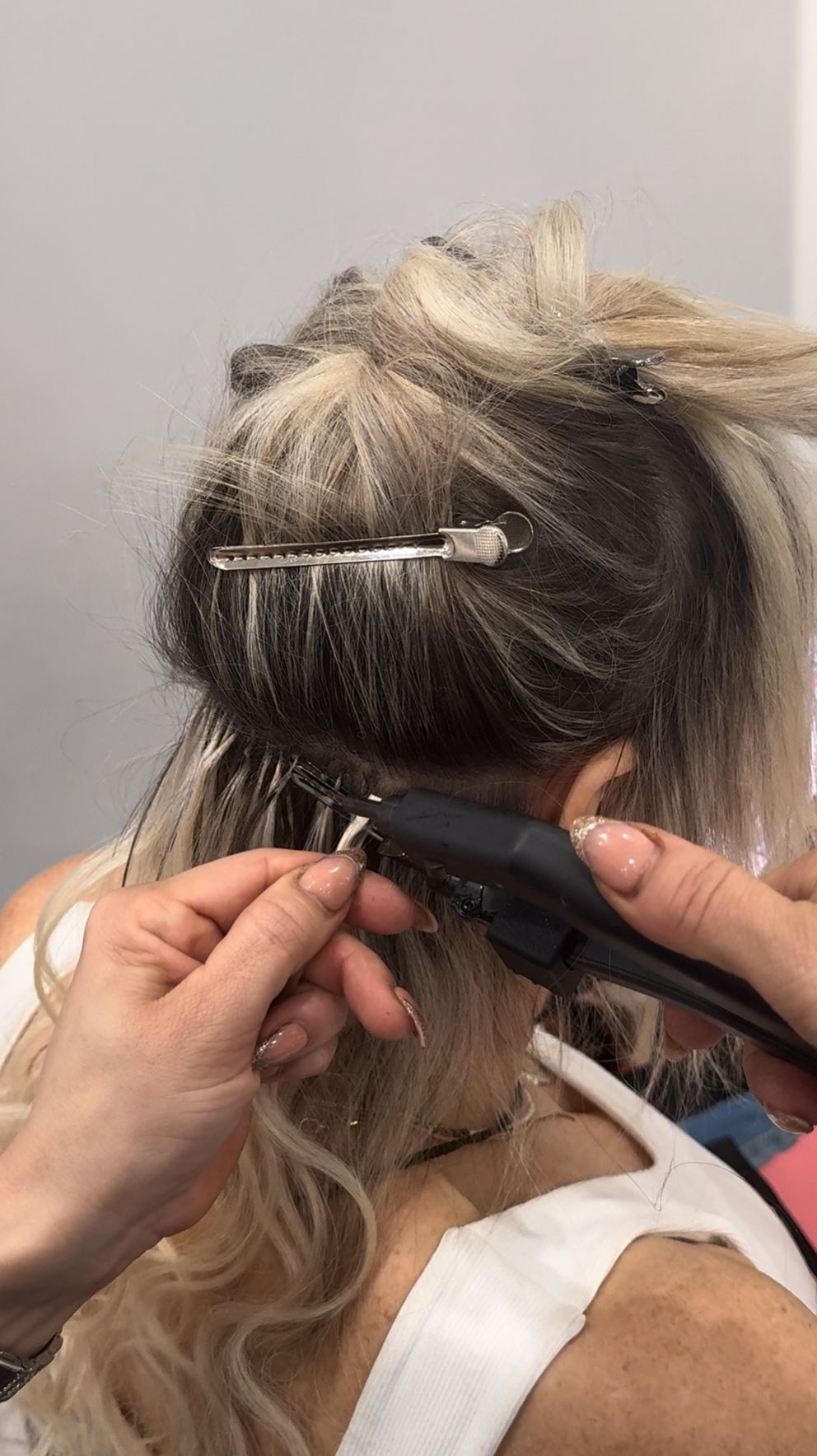
  • Hair Extensions Maintenance Guide | NYC Extensions Specialist - How to Maintain Hair Extensions — NYC Expert Guide (K-Tips, I-Tips, Tape-Ins & Sew-Ins) Hair extensions are an investment, and with the right care, they can stay beautiful, soft, and healthy for months. Whether you wear K-tips, I-tips, Tape-ins, or a Sew-in weft, proper maintenance is the key to long-lasting results. As a NYC Hair Extensions Specialist, here is the complete guide to keeping your extensions shiny, smooth, and tangle-free every day. 1. Brush Your Extensions Daily (The Right Way) Brushing is one of the most important steps. It prevents tangles and protects the bonds. How to Brush: Use a soft “hair extension brush” or loop brush Start from the ends and work upward Hold the hair at the root to avoid tension on the bonds Brush at least 2–3 times per day Never brush your extensions when soaking wet. 2. Use Serum on the Ends Daily Extensions do not receive natural oils from the scalp, so they need extra hydration. Best products for the ends: Lightweight hair serum Argan oil Silicone-based smooth serums (safe for extensions) Apply a small amount daily from mid-shaft to ends — avoid the roots and bonds. 3. Sleep With Your Extensions Protected Sleeping correctly will prevent matting and tangles. Before bed: Brush your hair gently Apply a little serum to the ends Put hair in a loose low ponytail or loose braid Use a silk or satin pillowcase Never sleep with wet hair extensions. 4. Wash Your Extensions Carefully Clean hair keeps the scalp healthy and prevents buildup on the bonds. Washing Tips: Wash 1–3 times a week Use sulfate-free shampoo Keep conditioner only on mids → ends Avoid scrubbing aggressively at the roots Rinse thoroughly to avoid residue The gentler you wash, the longer your extensions last. 5. Drying Your Hair Air drying the top and blow-drying the ends is ideal. Best method: Towel dry gently Use a heat protectant Blow-dry the roots completely to avoid moisture near bonds Never sleep with damp extensions — this causes tangles. 6. Heat Styling Rules You can style your extensions, but with caution. Always use heat protectant Keep heat below 350°F Do not apply heat directly on K-tip, I-tip, or Tape-in bonds Avoid excessive straightening on very dry ends 7. Avoid These Products Certain ingredients can break down bonds or dry out the extensions. No sulfates No alcohol-heavy products No oils near the roots No purple shampoo on extensions unless recommended 8. Swimming & Gym Rules Extensions need extra protection when exposed to sweat or chlorine. Braid your hair before swimming Avoid underwater swimming with loose hair Use a leave-in conditioner before pool or beach Wash right after sweating heavily 9. How Often to Move Up or Maintain Keratin K-Tips: 10–16 weeks I-Tips: 6–10 weeks Tape-Ins: 6–8 weeks Sew-In Wefts: 6–10 weeks Regular maintenance prevents matting and protects your natural hair. 10. Signs You Need Maintenance ASAP Tangling near the roots Slipping bonds Sticky tape-ins Excess shedding Matted sections after sleeping If you notice any of the above, book a visit right away. Book Your Hair Extensions Care Appointment in NYC Need help maintaining your extensions or want to refresh your look? Book your professional extensions maintenance appointment at Fabi Pro Beauty in Midtown East Manhattan. Book now → https://fabiprobeauty.com/book ... Read More
  • How Often Should You Gloss Your Hair? | NYC Master Colorist Guide - How Often Should You Gloss Your Hair? (NYC Master Colorist Guide) Hair glossing is one of the easiest ways to keep your color shiny, vibrant, and healthy. But how often should you gloss your hair—and what happens if you don’t? As a NYC Master Colorist, here is the complete guide to maintaining your gloss for the longest, healthiest results. What Is a Hair Gloss? A gloss is a demi-permanent shine treatment that: Adds shine Refreshes faded color Neutralizes brassy tones Deepens or softens color Seals the cuticle for a healthier finish It’s gentle, conditioning, and safe for all hair types. How Often Should You Gloss Your Hair? The ideal time to gloss your hair is: Every 4–8 weeks Here’s how to choose the right schedule: 4–6 weeks: Blondes, highlighted hair, ash tones 6–8 weeks: Brunettes, darker levels, low-maintenance colors Every 3–4 weeks: Fashion colors (pink, purple, copper) If you want long-lasting shine, glossing every **6 weeks** is the sweet spot. Signs It’s Time for a New Gloss Your hair looks dull Your tone looks too warm or brassy Your blonde looks yellow or orange Your brunette looks flat Your red/copper looks faded Your hair feels dry or rough Do Glosses Damage Hair? No. Glosses are one of the gentlest color services available. They actually make hair look and feel healthier by: Sealing the cuticle Boosting shine Adding softness Conditioning the mid-shaft and ends Gloss vs Toner — What’s the Difference? Most clients think toner and gloss are the same, but here’s the truth: Toner Neutralizes unwanted tones Usually fades quicker (2–4 weeks) Gloss Adds shine + tone Lasts longer (4–8 weeks) Better conditioning Glosses are the upgraded version of toners. Why Glosses Fade Your gloss may fade faster if you: Shampoo daily Use hot water Use non–color-safe shampoo Swim often Have porous or bleached hair Use too much heat styling How to Make Your Gloss Last Longer Use sulfate-free shampoo Wash 1–3 times per week Use cooler water Apply heat protectant daily Deep condition weekly Use color-safe products Which Gloss Is Best for You? It depends on your hair color: Blondes: Pearl, beige, icy, champagne Brunettes: Mocha, neutral brown, chocolate, ash brown Reds/Coppers: Copper gold, red velvet, cinnamon, auburn Gray blending: Silver, smoky, pewter Book Your Gloss Appointment in NYC Whether you need shine, tone correction, or a color refresh, a gloss is the fastest way to bring your hair back to life. Book your glossing service at Fabi Pro Beauty in Midtown East Manhattan. Book now → https://fabiprobeauty.com/book ... Read More
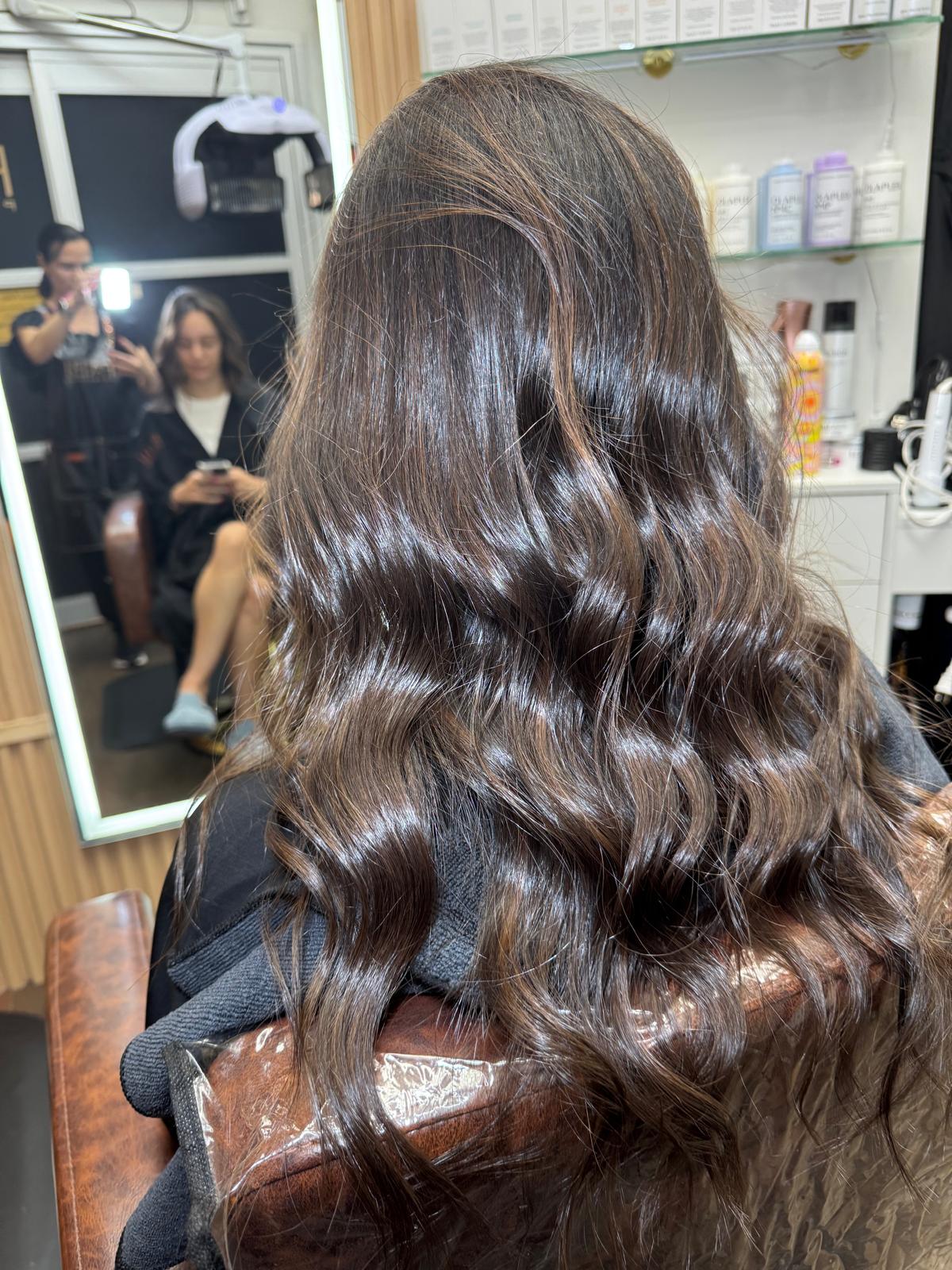
  • Best Brunette Shades 2025–2026 | NYC Master Colorist Guide - Best Brunette Shades for 2025–2026 — NYC Master Colorist Guide Brunettes are taking over NYC in 2025–2026. From rich chocolate tones to soft caramel blends and “expensive brunette” finishes, this year’s trends are all about shine, dimension, and healthy, luxurious color. If you're thinking about going brunette or refreshing your current shade, here are the most in-demand brunette trends for 2025–2026, styled and approved by a NYC Master Colorist. 1. Expensive Brunette The biggest trend of 2024–2026 — and still growing. This look focuses on richness, shine, and minimal highlights for a natural, luxury finish. Low-contrast dimension Face-framing brightness Glossy, healthy finish 2. Mocha Melt A creamy blend of warm and cool undertones, perfect for clients who want richness without brassiness. Great for levels 4–6 Beautiful on medium skin tones 3. Chestnut Caramel Soft caramel ribbons over a medium chestnut base — this trend is huge for fall/winter and works beautifully with balayage. 4. Dark Chocolate Shine A rich, deep brunette with reflective shine created through glossing and lowlights. Ultra sleek and elegant. 5. Cinnamon Brunette A warm, spicy brunette with red and copper undertones. Perfect for clients who want warmth in a soft, wearable way. 6. Mushroom Brown A cool, smoky brown with beige and ash undertones. Ideal for clients avoiding brass and loving neutral shades. 7. Espresso Brunette Dark, cool, glossy, and timeless. One of the most requested NYC brunette shades — especially for winter. 8. Brunette Balayage Naturally blended dimension using soft highlights through the mids and ends. Low-maintenance and modern. 9. Black Coffee Brunette A deep brunette with subtle warmth — richer and softer than jet black. Perfect for clients who want depth without harshness. 10. Rooted Brunette Gloss Shiny, blended, salon-quality brunette created with custom gloss formulas. Perfect for refreshing faded brunettes. Who Are These Shades Best For? Clients wanting low-maintenance color Brunettes who want more shine Professionals wanting natural, refined looks Anyone wanting effortless dimension How to Maintain Your Brunette Color Gloss every 4–8 weeks Sulfate-free shampoo Heat protectant daily Deep conditioning weekly Book Your Brunette Transformation in NYC Ready for a fresh brunette look for 2025–2026? Book your appointment at Fabi Pro Beauty in Midtown East Manhattan and let’s create a luxurious, rich brunette that fits your skin tone and lifestyle. Book now → https://fabiprobeauty.com/book ... Read More
  • NYC hair salon services - Balayage Transformation 2026 Hair Color Trends NYC | Balayage, Highlights & Modern Shades - 2026 Hair Color Trends NYC — What’s Coming Next in Balayage, Highlights & Fashion Color As a NYC Master Colorist, I’m already seeing the early signs of what 2026 hair color trends will look like. From soft luxury blondes to bold statement dimension, next year’s looks are all about healthy shine, expensive color, and subtle details. If you're planning a transformation in 2026, here are the shades and techniques that will dominate salons across New York City. 1. Luxe Vanilla Blonde This is the new evolution of the classic blonde — softer, creamier, and more reflective. Think buttery tones blended with cool pearl for a multi-dimensional, expensive finish. Perfect for: levels 7–10 Maintenance: low to medium Best technique: seamless balayage + micro babylights 2. Mushroom Bronde 2.0 Mushroom bronde is coming back — but softer and warmer. Expect sandy beige, root shadows, and melted lowlights that blend seamlessly with natural growth. Perfect for: levels 5–8 Maintenance: low Popular with NYC professionals wanting natural elegance 3. Cashmere Brunette 2026 will be the year of rich, shiny brunettes. The “cashmere” version blends espresso, cinnamon, and glossy caramel threads to create a luxurious, high-shine effect. Perfect for: dark brunettes Technique: lowlights + glaze + contouring around the face 4. Silver Dimension for Gray Blending Gray blending will stay huge in 2026 with a more modern twist — soft silver ribbons, reverse balayage, and cool-toned lowlights that blend natural grays instead of covering them. Perfect for: gray/white hair 30%–100% Maintenance: medium Technique: micro lowlights + pearl glaze 5. High-Gloss “Glass Hair” Color Clients will shift toward ultra-healthy, shiny finishes. High-gloss color, clear glazing, and smoothing treatments (like Milbon or Magic Sleek) will be essential to this trend. Perfect for all levels and textures Technique: glossing + hydration + shine treatment 6. Cinnamon Copper & Cherry Cola Warm shades will stay trendy — but deeper, richer, and more dimensional. 2026 reds are bold but wearable: cinnamon, honey copper, ruby brown, cherry cola. 7. “NYC Model Brunette” — The It-Girl Color This trend is huge already on TikTok, and it’s coming even stronger in 2026. Dark chocolate roots with ultra-soft caramel pieces around the face — effortless and expensive. 8. Ribbon Balayage for Extra Dimension Instead of thin highlights, 2026 brings back bold, thick ribbons strategically placed to create movement and fullness — especially for long hair. 9. Soft-Pink Nude Pastels The pastel trend will shift into ultra-soft nude shades — rose smoke, champagne pink, dusty mauve — super wearable and feminine. 10. Who Are These Trends Best For? These 2026 trends are perfect if you want: A fresh, modern color with low maintenance Healthier, shinier hair Dimension without harsh lines A professional NYC look If you're unsure which trend is best for your hair level, texture, or lifestyle, I offer personalized consultations in my studio located in Midtown East Manhattan. Ready for a 2026 Hair Transformation? Book your appointment at Fabi Pro Beauty NYC and let’s create a modern, healthy, trendy color that fits you perfectly. 📅 Book Your Appointment ... Read More
  • Best Brunette Gloss Shades for a Rich Luminous Look | NYC Glossing Expert - Best Brunette Gloss Shades for a Rich, Luminous Look If your brunette hair looks dull, faded, brassy, or flat, a glossing treatment is one of the fastest ways to bring it back to life. Glosses add shine, tone, richness, and depth — without damaging your hair. As a master colorist in NYC, here are the most beautiful and trending brunette gloss shades for a rich, luminous finish. 1. Espresso Brunette A deep, cool espresso tone that adds richness and eliminates warmth. Perfect for: Dark brunettes Clients fighting orange tones High-shine, polished looks 2. Mocha Gloss A warm-cool balanced brunette with soft dimension and light warmth. Perfect for: Neutral skin tones Blended brunette balayage Soft dimensional brunettes 3. Cinnamon Brown A warm, spicy brunette with red + copper undertones. Adds movement and glow. Perfect for: Clients who want warmth Fall & winter trends Rich, warm balayage blends 4. Chocolate Gloss A glossy, creamy chocolate tone that creates depth and richness. Perfect for: Medium brunettes Clients wanting shine without warmth Lived-in color maintenance 5. Caramel Brown Gloss A warm golden-brown gloss that adds softness, luminosity, and light. Perfect for: Dimensional brunettes Sun-kissed brunettes Warm skin tones 6. Ash Brown Gloss A cool-tone brunette that neutralizes orange and brass for a deeper, cooler look. Perfect for: Clients fighting brass Cool-toned skin Anti-orange glossing 7. Smoky Brown Gloss A soft, smoky brunette with muted, cool undertones — a trending shade for 2025. Perfect for: Dimensional brunettes Sophisticated cool tones Urban chic NYC vibes 8. Honey Brown Gloss A sweet, warm brunette shade that adds golden radiance without going blonde. Perfect for: Warm complexions Subtle glow Blended low-maintenance warmth 9. Chestnut Brown A classic brunette gloss with hints of red and gold — very natural and flattering. Perfect for: Natural brunettes Soft warmth Shiny, dimensional tones 10. Neutral Brown Gloss A balanced, universal brunette tone that adds shine without shifting your overall color too warm or too cool. Perfect for: Any brunette shade Gloss maintenance every 4–8 weeks Clients who want shine only Why Glosses Are Essential for Brunettes Neutralize unwanted warmth Add instant shine Enhance dimension Refresh faded color Seal the cuticle for smoother hair How Long Does a Gloss Last? Glosses typically last 4–8 weeks depending on: Hair porosity Heat styling Shampoo frequency Color-safe products Frequently Asked Questions Will glosses darken my hair? They can, if desired — but they can also be completely sheer and tone-only. Do glosses damage the hair? No — they are extremely gentle and add shine + moisture. Is a gloss better than a toner? Yes. Glosses last longer, look shinier, and condition the hair. Book Your Brunette Gloss in NYC If your brunette color needs shine, richness, or a tone refresh, a glossing treatment will transform your hair instantly. Book your brunette gloss at Fabi Pro Beauty in Midtown Manhattan. Book now → ... Read More
  • Balayage vs Foilyage — Which Is Better for 2025? | NYC Colorist Guide - Balayage vs Foilyage — Which One Is Better for 2025? Balayage and foilyage continue to be two of the most requested color techniques—especially among clients looking for a soft, blended, dimensional look. While both create beautiful, natural results, they work differently and give different levels of brightness. As a master colorist in NYC, here’s the 2025 guide to understanding balayage vs foilyage and choosing the best one for your hair goals. What Is Balayage? Balayage is a freehand painting technique where color is applied on the surface of the hair without saturating the entire section. Balayage gives you: Soft, sun-kissed dimension Natural, blended results Low-maintenance grow-out Subtle highlights More warmth and soft lift Best for: Natural brunettes, soft blondes, low-maintenance clients, dimensional color. What Is Foilyage? Foilyage combines balayage painting with the use of foils. The foils trap heat, allowing the hair to lift lighter and brighter. Foilyage gives you: Stronger lift (lighter blonde) Brighter pops of color More controlled saturation More dramatic transformation A smoother blend than traditional foils Best for: Dark hair wanting blonde, high-contrast looks, cool blondes, and clients needing maximum lift. Balayage vs Foilyage: The Key Differences 1. Brightness & Lift Balayage: Lifts softly (warm results) Foilyage: Lifts significantly lighter (ideal for blonde goals) 2. Tone & Finish Balayage: Natural and sun-kissed Foilyage: Brighter, cooler, high-impact blonde 3. Maintenance Balayage: Low maintenance, soft grow-out Foilyage: Moderate maintenance (toning every 6–10 weeks) 4. Technique Balayage: Freehand painting Foilyage: Painting + foils for extra lift 5. Best Hair Types Balayage: Fine–medium, natural brunettes, long layers Foilyage: Darker levels, thicker hair, clients who want blonde Which One Should You Choose in 2025? Choose Balayage if you want: Soft, natural dimension Warm, blended ribbons Low-maintenance hair color Subtle brightness Choose Foilyage if you want: Brighter, lighter results Cool, ash, beige blondes More dramatic transformations High lift without harsh lines Can Balayage and Foilyage Be Combined? Yes! Many 2025 trends use both techniques for maximum dimension. Balayage on the surface for softness Foilyage for pops of brightness This creates a high-end luxury blend. How Long Do Results Last? Balayage: 10–16 weeks Foilyage: 8–12 weeks Toners last 4–8 weeks depending on hair porosity and home care. Frequently Asked Questions Is foilyage damaging? No—when done professionally with bond protectors and the right technique. Can brunettes go blonde with balayage? Yes, but foilyage gives stronger lift for cooler blondes. Which lasts longer? Balayage has a softer grow-out and lasts longer between appointments. Book Your Balayage or Foilyage Appointment in NYC If you’re not sure which technique is best for your hair, I’ll help you choose the perfect option based on your goals, hair history, and maintenance level. Book your balayage or foilyage transformation at Fabi Pro Beauty in Midtown Manhattan. Book now → ... Read More
  • NYC Winter Hair Survival Guide | Dryness, Frizz & Cold Weather Hair Tips - NYC Winter Hair Survival Guide (Humidity, Cold & Dry Air) Winter in NYC brings freezing temperatures, strong winds, indoor heat, and dry air—all of which can cause major stress on your hair. From frizz and static to dryness, breakage, and dullness, winter can make your hair feel unmanageable. Here is the ultimate NYC Winter Hair Survival Guide to keep your hair healthy, shiny, and protected all season long. 1. Hydrate, Hydrate, Hydrate Cold air outside + heated indoor air = thirsty, dehydrated hair. Keep your hair moisturized by: Using hydrating shampoo Conditioning every wash Applying weekly deep conditioning masks Using leave-in conditioner on mid-shaft and ends 2. Treat Your Ends First Your ends are the oldest part of your hair and the first to dry out. Focus extra care on: Hair oils Serums Cream-based leave-ins Seal moisture into the ends to prevent splitting and breakage. 3. Switch to Sulfate-Free Shampoo Sulfates strip moisture, leading to dryness and frizz—especially in winter. Choose gentle, hydrating formulas to protect the hair. 4. Add a Glossing Treatment Glosses help seal your cuticle, reduce frizz, and add winter shine. They also refresh tone for blondes, brunettes, and redheads. 5. Lower the Heat When Styling High heat can cause major damage in winter when your hair is already dry. Use: Low/medium heat Heat protectant Diffusers for curls 6. Protect Your Hair From Winter Wind NYC wind causes friction and tangles. Protect your hair with: A silk-lined hat A scarf around your ends A loose braid under your coat 7. Avoid Leaving the House With Wet Hair Cold weather causes wet hair to freeze and break. Always dry your hair before going outside. 8. Add a Weekly Repair Treatment Strengthen your hair with: Protein masks (moderate use) Milbon Repair Hair Botox Scalp detox treatments 9. Fight Static With the Right Products Dry winter air = static. Reduce it with: Leave-in conditioner Light hair oils Anti-frizz serums 10. Use a Humidifier at Home Indoor heating dries out your hair while you sleep. A humidifier keeps moisture in the air and prevents overnight dryness. 11. Trim More Often in Winter Dry air causes more breakage. Trimming every 8–10 weeks helps maintain healthy ends. 12. Protect Your Color Cold + hard water + indoor heat can cause fading. Keep your color fresh with: Glosses every 4–6 weeks Color-safe products Sulphate-free formulas Lower heat styling 13. Choose the Right Winter Treatments Winter is the best time for: Hair Botox Milbon Repair & Reawaken Keratin-free smoothing Glossing treatments Frequently Asked Questions Why does my hair get frizzier in winter? Cold air and indoor heat strip moisture, causing frizz and static. How do I stop static? Use oils, leave-in conditioner, and avoid over-washing. Should I wash my hair more often in winter? No—over-washing dries your hair even more. What is the best winter treatment? Hair Botox + Gloss is the most popular winter combo. Book Your Winter Hair Treatment in NYC Keep your hair healthy, shiny, and hydrated this winter with customized treatments and a professional routine. Book your winter hair appointment at Fabi Pro Beauty in Midtown Manhattan. Book now → ... Read More
  • Best Hair Care Routine for Long Hair | Rapunzel Guide NYC - The Best Hair Care Routine for Long Hair (Rapunzel Guide) Long hair is beautiful, luxurious, feminine, and powerful—but it requires the right routine to keep it healthy, shiny, and strong. Whether you already have long hair or you’re growing it out, this Rapunzel Guide will help you maintain length, prevent breakage, and keep your hair looking flawless every day. As a long-hair specialist in NYC, here is the exact routine I recommend to clients who want healthy, beautiful, long hair. 1. Trim Every 8–12 Weeks Long hair needs regular trims—even if you're growing it out. Removing split ends prevents breakage from traveling up the hair shaft. Prevents frayed, thin ends Keeps length looking full Helps hair grow stronger 2. Use Sulfate-Free Shampoo Sulfates dry out the hair and cause breakage. Choose gentle, hydrating formulas to keep long hair soft and nourished. 3. Condition Every Single Wash Long hair needs moisture—especially mid-shaft to ends. Conditioning smooths the cuticle and protects against split ends. 4. Deep Condition Weekly A weekly treatment keeps long hair soft, shiny, and manageable. Hydrating masks Protein masks (every few weeks) Hair Botox (every 2–3 months) 5. Detangle Gently Most breakage happens during brushing. Detangle the right way: Start at the ends and move upward Use a wide-tooth comb or detangling brush Never rip through knots 6. Avoid Tight Hairstyles Tight ponytails, buns, and braids can cause breakage and tension on the scalp. Use loose styles Switch ponytail positions often Use scrunchies or soft hair ties 7. Protect Hair While Sleeping Friction on your pillow causes dryness, frizz, and breakage. Sleep on a satin/silk pillowcase Wear a silk bonnet or scarf Sleep with a loose braid to prevent tangles 8. Minimize Heat Styling Long hair can easily dry out and break if exposed to too much heat. Use low/medium heat Always use a heat protectant Air-dry whenever possible 9. Use Leave-In Conditioner Daily Focus on the mid-shaft and ends. This helps maintain hydration, shine, and softness throughout the day. 10. Protect Hair During Workouts Sweat and friction damage long hair. Keep it safe with: Loose braids Satin scrunchies Moisture-wicking headbands 11. Maintain Scalp Health Healthy long hair starts with a healthy scalp. Weekly scalp exfoliation Clarifying or detox treatments Balancing scalp tonics 12. Eat Hair-Healthy Foods Nutrition impacts hair growth. Include: Protein (eggs, chicken, fish, beans) Omega-3 fats Greens and vitamins 13. Consider Professional Treatments Long hair benefits from professional care: Hair Botox Milbon Repair & Reawaken treatments Glossing for shine Keratin-free smoothing 14. Extensions for Extra Length or Fullness If your natural ends are thin, extensions can help create a fuller, healthier look without waiting months. Frequently Asked Questions Does trimming make hair grow faster? No—but it prevents breakage so your hair grows longer over time. Why do my ends always look dry? The ends are the oldest part of your hair and need extra moisture and protection. How do I avoid tangles? Brush daily, sleep in a loose braid, and use leave-in conditioner. Book Your Long Hair Consultation in NYC If you want to grow long, healthy, Rapunzel-style hair, I can create a personalized routine based on your texture and goals. Book your appointment at Fabi Pro Beauty in Midtown Manhattan. Book now → ... Read More
  • How to Maintain Healthy Hair While Working Out Daily | NYC Gym Hair Guide - How to Maintain Healthy Hair While Working Out Daily If you’re a woman who works out every day—gym, pilates, HIIT, cycling, hot yoga, or running—you’ve probably noticed your hair gets sweaty, dry, frizzy, or tangled faster. The combination of heat, sweat, friction, and frequent washing can damage your hair over time. As a hair specialist in NYC, here are the best tips to keep your hair healthy, shiny, and strong while maintaining an active lifestyle. 1. Protect Your Hair From Sweat Sweat contains salt and oils that can dry out the hair and irritate the scalp. Protect your hair by: Wearing a soft cotton or moisture-wicking headband Doing a loose braid to reduce friction Keeping your hair off your neck This reduces tangles, dryness, and frizz. 2. Avoid Tight Ponytails High, tight ponytails create tension that causes breakage—especially around the hairline. Use scrunchies or spiral ties Switch ponytail placement daily Opt for loose, low ponytails or braids 3. Brush Before Your Workout Detangling before exercising prevents knots and reduces friction damage. 4. Use a Leave-In Conditioner Before Exercising A light mist of leave-in provides a protective barrier and prevents sweat from drying out your hair. 5. Don't Wash Your Hair After Every Workout Over-washing strips natural oils, causing dryness and breakage. Instead: Rinse with water only Blowdry sweat out of the roots with cool air Use dry shampoo in between washes 6. Clarify Once a Week Product buildup + sweat can clog the scalp. Use a weekly clarifying treatment or a professional detox to keep your scalp balanced and clean. 7. Deep Condition Weekly Rehydrate your hair after frequent workouts: Deep conditioning mask Hair Botox (every 2–3 months) Milbon treatment This restores shine and elasticity. 8. Protect Your Hair From Heat If you blowdry after workouts, always use: Heat protectant Medium heat settings Avoid blowdrying soaking wet hair 9. Sweat Can Affect Hair Extensions If you wear extensions: Wear a headband during workouts Rinse sweat when possible Keep leave-in conditioner away from bonds Gently detangle after every workout 10. Choose Hairstyles That Protect Your Hair Great gym-friendly styles include: Loose braid Low ponytail Half-up bun Loose top knot (not tight!) 11. Scalp Care Matters Sweat can clog pores and cause irritation. Use: Scalp exfoliating scrubs Detox treatments Balancing scalp tonics 12. Hydrate — Inside and Out Drinking water helps your hair stay soft and prevents dryness from the inside out. Frequently Asked Questions Will sweating damage my hair? No, but sweat buildup can dry your hair and irritate your scalp if not cleaned properly. Can I blowdry my hair every day if I work out? Yes, with heat protectant and gentle settings. How often should I wash my hair? Every 2–3 days for most people—more if needed, but don't overwash. What is the best treatment for active women? Hair Botox, keratin-free smoothing, and weekly hydration masks. Book a Healthy Hair Consultation in NYC If you want healthy, shiny hair while maintaining your active lifestyle, I can recommend the perfect routine and treatments based on your texture. Book your consultation at Fabi Pro Beauty in Midtown Manhattan. Book now → ... Read More
  • Taninoplastia Smoothing Treatment — Organic Frizz Control | NYC Salon Guide - Taninoplastia: The Organic Smoothing Trend Everyone Loves Taninoplastia is one of the most in-demand smoothing treatments right now—especially among clients who want frizz control, softness, shine, and natural movement without harsh chemicals. If you want smoother, healthier-looking hair without completely straightening your natural texture, Taninoplastia may be the perfect solution. As an advanced smoothing specialist in NYC, here’s everything you need to know about this trending organic treatment. What Is Taninoplastia? Taninoplastia is a plant-based, organic smoothing treatment made from tannins—natural compounds extracted from grapes, tree bark, and other botanicals. Instead of chemicals, the tannins bond with the hair fiber to create smooth, shiny, frizz-free hair. Key Benefits: 100% formaldehyde-free Plant-based, organic formula Smooths frizz without removing natural movement Adds intense shine and softness Improves hair strength and elasticity Longevity: 3–5 months with proper care How Taninoplastia Works The botanical tannins penetrate the cuticle and form a flexible, protective film around each hair strand. This creates: Frizz control Softer texture Smoother appearance Less volume (moderate) Unlike keratin or strong straightening systems, Taninoplastia does not break internal bonds—it nourishes and strengthens them. Is Taninoplastia the Same as a Keratin Treatment? No. Here’s the difference: Taninoplastia Organic + plant-based Flexible movement Natural finish No straight, flat look Gentle on hair Traditional Keratin Stronger smoothing & straightening Heavier ingredients More dramatic results More rigid structure Who Is Taninoplastia Best For? This treatment is perfect for clients who want: Smoother hair without losing curl/wave An organic, clean alternative Frizz control in humid weather Shine and softness Manageability with low maintenance Ideal for: Wavy hair Loose curls Medium density Dry or frizzy texture Who Is It NOT Ideal For? Clients who want super straight, sleek hair may prefer: Magic Sleek GK Resistant Brazilian Blowout Original What Results Can You Expect? Soft, frizz-free texture Shiny, nourished hair Natural movement Humidity-proof finish Easier styling Is Taninoplastia Safe for Color-Treated Hair? Yes—it's gentle and safe. In fact, it can enhance color shine and prevent humidity-related fading. Aftercare Tips Use sulfate-free shampoo Deep condition weekly Apply heat protectant when styling Avoid chlorine or ocean water without protection Frequently Asked Questions Will Taninoplastia straighten my curls? No. It softens, smooths, and defines your natural curl/wave pattern. Can I do it after color? Yes—Taninoplastia is gentle and helps seal in color. Does it smell strong? No. It has a mild botanical scent. How often can I do it? Every 3–5 months depending on your hair. Book Your Taninoplastia Treatment in NYC If you want smoother, frizz-free hair with natural movement and an organic formula, Taninoplastia is a beautiful choice. Book your smoothing treatment at Fabi Pro Beauty in Midtown Manhattan. Book now → ... Read More
  • Magic Sleek vs GK The Best — Which Smoothing Treatment Is Better? | NYC Guide - Magic Sleek vs GK The Best — Which One Should You Choose? If you struggle with frizz, humidity, tangles, or unruly texture, you’ve probably heard of two of the most popular smoothing treatments: Magic Sleek and GK The Best. Both are premium smoothing systems used in top salons worldwide—but they work differently and give different results. As a certified smoothing specialist in NYC who performs both treatments, here is the ultimate comparison to help you choose the best one for your hair. What Is Magic Sleek? Magic Sleek is an organic, formaldehyde-free smoothing treatment that uses natural ingredients to deeply smooth the hair. It is ideal for clients who want: Maximum straightening Strong frizz control Shiny, reflective hair A long-lasting result Magic Sleek Benefits: Eliminates frizz Straightens hair significantly Reduces volume Great for coarse, curly, or resistant hair Formaldehyde-free and safe Longevity: 4–6 months What Is GK The Best? GK The Best is a gentle smoothing treatment powered by Juvexin (a keratin protein blend). It softens texture, reduces frizz, and adds shine without making the hair pin-straight. GK The Best Benefits: Soft, smooth finish Frizz control with movement Keeps natural curl/wave Adds shine and manageability Less aggressive than traditional keratin Longevity: 3–5 months Magic Sleek vs GK The Best: Key Differences 1. Straightening Power Magic Sleek: Strong straightening (best for thick, coarse, curly hair). GK The Best: Medium smoothing (keeps natural curl). 2. Frizz Control Magic Sleek: Maximum frizz elimination. GK The Best: Excellent frizz control but softer. 3. Texture Result Magic Sleek: Sleek, smooth, and straight. GK The Best: Smooth but natural, with movement. 4. Curl Pattern Magic Sleek: Reduces or removes curl pattern. GK The Best: Preserves curl pattern while reducing frizz. 5. Volume Reduction Magic Sleek: Significant reduction. GK The Best: Light to moderate reduction. 6. Longevity Magic Sleek: 4–6 months. GK The Best: 3–5 months. 7. Ideal Hair Types Magic Sleek: Coarse, curly, frizzy, resistant, thick. GK The Best: Wavy, fine/medium, dry, frizzy. Which One Should You Choose? Choose Magic Sleek If You Want: Very smooth, straight hair Maximum frizz control Humidity-proof results Silky shine and sleek finish Choose GK The Best If You Want: A natural finish with movement Less frizz but not pin-straight hair Curl-friendly smoothing Shine and manageability Aftercare Differences Both treatments require: Sulfate-free shampoo Heat protection Minimal heat for best longevity Magic Sleek often lasts longer with proper care. Frequently Asked Questions Will either treatment damage my hair? No—both are smoothing, conditioning, and protective when done professionally. Can I color my hair with these treatments? Yes. Color can be done before or after depending on the formula and desired result. Do these treatments remove curls permanently? No. They gradually fade and your natural texture returns. Which one is best for summer humidity? Magic Sleek for maximum frizz control. Book Your Smoothing Consultation in NYC Not sure which treatment is best for your hair? I can evaluate your texture, goals, and lifestyle to recommend the perfect smoothing system. Book your Magic Sleek or GK appointment at Fabi Pro Beauty in Midtown Manhattan. Book now → ... Read More
  • Best Hair Extensions for Active Women | Gym-Friendly Extensions NYC - Best Hair Extensions for Active Women (Gym-Friendly Methods) If you live an active lifestyle—gym workouts, yoga, cycling, running, or hot classes—you need hair extensions that stay secure, blend naturally, and won’t slip or tangle with sweat. Not every method is designed for heavy movement, which is why choosing the right installation is essential. As a certified extensions specialist in NYC, here are the best gym-friendly extension methods for women who want beautiful, long, full hair without sacrificing their fitness routine. 1. K-Tip Extensions (Keratin Bond) Best overall option for active women. Lightweight and flexible Strand-by-strand for maximum movement Perfect for ponytails, buns, and workouts No slipping from sweat Why it’s ideal: The keratin bonds are tiny and secure—perfect for women who sweat or move a lot. 2. I-Tip Extensions (Microlinks) Another great gym-safe option. No heat or glue Attached with small beads that don’t loosen easily Very secure for high ponytails Reusable hair Best for: Medium to thick hair needing high flexibility and strength. 3. Sew-In / Weft Extensions (Hand-Tied or Machine Wefts) Sew-ins are extremely secure when installed correctly. Great for thick or dense hair Perfect for heavy workout routines Won’t slip from sweat Durable and long-lasting Note: Not ideal for very fine hair, but amazing for medium/thick density. 4. Tape-In Extensions (Not Ideal for Heavy Workouts) Tape-ins are beautiful, lightweight, and natural—but they are the least gym-friendly. Adhesive can soften with sweat Not great for hot yoga or cycling Can slip if exposed to oils or sweat frequently Best for: Low-activity clients or occasional gym visits. Best Extension Method for High Ponytails K-tips = best blend + most invisible I-tips = secure and flexible Sew-ins = great but must be strategically placed How Sweat Affects Extensions Sweat contains salt, oils, and buildup that can affect extensions: Softens adhesive (tape-ins) Creates grit around beads (I-tips) Causes tangling at the nape Dries out the mid-shaft and ends Aftercare Tips for Active Women ✔ Tie hair into a loose braid or ponytail during workouts Prevents friction and tangling. ✔ Avoid tight buns that stress the bonds ✔ Use a headband or sweatband Keeps sweat off the bonds. ✔ Rinse or wash after heavy workouts Especially after hot yoga or long runs. ✔ Always use extension-safe brushes Gentle detangling protects your bonds. ✔ Apply leave-in conditioner on mids + ends only Never near bonds. Which Method Should You Choose? Best for heavy workouts (gym 4–7x per week): K-tip (best choice) I-tip Best for moderate workouts (2–4x per week): Sew-in weft I-tip Best for light workouts (1–2x per week): Tape-ins Frequently Asked Questions Will extensions fall out if I sweat a lot? No—when the right method is chosen, extensions stay secure even with heavy activity. Are K-tips or I-tips better for gym girls? K-tips are usually the best because they are lightweight, invisible, and very secure. Can I wear my extensions in a high ponytail? Yes! Especially with K-tips and I-tips when placed strategically. Do I need more maintenance if I work out a lot? Yes. More brushing, washing, and detangling keeps them in top condition. Book Your Gym-Friendly Extensions in NYC If you want beautiful extensions that fit your active lifestyle, I can help you choose the perfect method for your density, hair goals, and workout routine. Book your extensions appointment at Fabi Pro Beauty in Midtown Manhattan. Book now → ... Read More
  • K-tip hair extensions, layered cut How Many Grams of Hair Extensions Do You Need? | NYC Extensions Guide - Hair Extensions: How Many Grams Do You Really Need? One of the most common questions clients ask is: “How many grams of hair do I need?” The answer depends on your natural density, length, desired volume, and the extension method you choose. As a certified hair extensions specialist in NYC, here is the ultimate guide to understanding grams, weight, and how much hair you actually need for a beautiful, full, natural result. What Are Extension Grams? Grams refer to the weight of the hair. The more grams, the more volume and fullness you’ll have. Each method (K-tip, I-tip, tape-ins, wefts) comes in different gram amounts. How Many Grams Do You Need for Fullness? If you love your length but want fuller ends or more volume, you need: 60–80 grams for fine hair 80–120 grams for medium hair This is ideal for: Thin ends Side volume Filling in gaps Blending layers How Many Grams Do You Need for Length? Creating length requires significantly more hair so the extensions blend naturally and don’t look stringy. 120–150 grams for fine to medium hair 150–200 grams for medium to thick hair 200+ grams for maximum thickness or dramatic length Gram Guide by Desired Result ✔ Subtle Volume 60–80g ✔ Full Volume (Popular Choice) 100–120g ✔ Natural Length + Volume 120–150g ✔ Long, Thick Hair (Rapunzel) 180–220g+ Grams Needed by Hair Type Fine Hair Fullness: 60–80g Length: 100–140g Medium Hair Fullness: 80–100g Length: 140–180g Thick Hair Fullness: 100–120g Length: 180–220g+ Grams by Extension Method Each method requires different amounts: 1. K-Tips (Keratin Bonds) 100–150g for length 60–100g for fullness 2. I-Tips (Microlinks) 120–180g for length 60–100g for volume 3. Tape-In Extensions 20–40 pieces = 50–100g (volume) 40–60 pieces = 100–150g (length) 4. Weft / Hand-Tied / Machine Wefts 2 rows = 100–150g (natural length) 3 rows = 150–200g (maximum fullness) Variables That Affect Gram Amount Your natural density Desired length Haircut (blunt = more grams) Texture (fine vs coarse) Color blend (solid vs dimensional) This is why a consultation is essential—grams are personalized. Why Using Too Few Grams Looks Fake Ends look stringy Extensions don’t blend Too much separation Visible sections The right grams ensure your extensions look natural and seamless. Why More Grams Look Better (and Last Longer) Fuller, thicker ends Better blending with layers Holds curls longer More styling options Less tension on each piece Frequently Asked Questions Can I start with fewer grams and add more later? Yes—many clients start with fullness and add length later. Do I need the same grams every time? No. Your needs change based on haircut, length, and desired look. Are grams the same for all brands? No. DreamCatchers, Hotheads, Babe, Bellami, and other brands vary in grams per bundle. Can I mix methods? Yes—ex: K-tips for blending + wefts for fullness. Book Your Extension Consultation in NYC If you're unsure how many grams you need, I can measure your density, your goals, and recommend the perfect amount for natural, seamless results. Book your extension consultation at Fabi Pro Beauty in Midtown Manhattan. Book now → ... Read More
  • 10 Signs Your Hair Needs a Protein Treatment | NYC Hair Repair Guide - 10 Signs Your Hair Needs a Protein Treatment (Not Moisture) If your hair feels weak, stretchy, or breaks easily, the issue may not be dryness—it may be a protein imbalance. Protein is what gives your hair strength, elasticity, and structure. Without enough of it, your hair becomes fragile, limp, and unable to hold curls or blowouts. Here are the top signs your hair needs a professional protein treatment to restore strength and prevent breakage. 1. Your Hair Feels Stretchy When Wet If your hair stretches like a rubber band before breaking, it’s lacking protein. Healthy hair should stretch slightly and return to its natural shape. 2. Your Ends Snap Easily Breakage at the ends means the cuticle is weak and the internal structure needs protein reinforcement. 3. Your Hair Feels Mushy or Gummy This is the strongest sign of protein loss. Hair that feels mushy when wet is over-hydrated and lacks protein to balance it. 4. Your Hair Won’t Hold Curls or Blowouts If your styling doesn't last and your hair "flops," it may lack structure—protein rebuilds that internal support. 5. Your Hair Feels Too Soft and Has No Volume Over-conditioned hair can lose its integrity. Protein adds strength and volume. 6. You’ve Had Chemical Services Blonding, balayage, foilyage, highlights, perms, and relaxers all break protein bonds. A protein treatment helps rebuild them. 7. Your Hair Is Breaking Near the Roots Breakage at the top of the head is often due to weakness inside the cortex—not dryness. 8. Your Color Fades Quickly Damaged, protein-depleted hair can't hold color molecules, causing fast fading and uneven patches. 9. Your Hair Has Been Over-Moisturized Using too many hydrating masks can cause moisture overload, leaving hair limp and weak. Protein restores balance. 10. Your Hair Looks Dull and Lifeless Protein rebuilds damaged areas, creating smoother surface reflection and shine. Protein vs Moisture: How to Know What You Need You Need Protein If: Your hair feels stretchy It breaks easily It feels mushy or gummy You bleach or color your hair regularly You Need Moisture If: Your hair feels rough or dry You have frizz or lack shine Your ends feel brittle Many clients need a balance of protein and moisture. A professional consultation ensures your hair gets exactly what it needs. What a Professional Protein Treatment Does Rebuilds weak hair fibers Strengthens the cortex Reduces breakage Adds elasticity Improves shine Helps hold color and style How Often Should You Get a Protein Treatment? Every 4–6 weeks for chemically treated hair Every 6–8 weeks for lightly colored hair As needed for natural or low-maintenance hair Too much protein can make hair stiff, so it’s important to get the right balance. Frequently Asked Questions Can protein treatments damage hair? Only if overused. A professional ensures the perfect balance of protein and moisture. Will a protein treatment make my hair straighter? No, it strengthens but doesn't change texture. Can I do protein treatments at home? Home products are mild. Salon treatments penetrate deeper and last longer. Book Your Protein Treatment in NYC If your hair feels weak, limp, or stretchy, a professional protein treatment will rebuild strength and stop breakage. Book your treatment at Fabi Pro Beauty in Midtown Manhattan. Book now → ... Read More
  • Why You Need a Pre-Color Detox Treatment | NYC Color Prep Guide - Why You Need a Pre-Color Detox Treatment Before Coloring Your Hair If your hair color fades too fast, turns brassy, looks patchy, or never lifts the way you expect, the problem may not be the color formula—it's what’s already on your hair. Hard water minerals, product residue, oils, pollution, and previous color buildup can block color from working correctly. This is why a pre-color detox treatment is one of the most important steps for achieving bright, even, long-lasting color. As a master colorist in NYC, here’s why I recommend detoxing before balayage, blonding, root touch-up, and any major color transformation. 1. Hard Water Buildup Affects Color NYC water contains minerals like: Calcium Magnesium Copper Chlorine These minerals attach to the hair and create a barrier that causes: Brassy orange tones Dull, muddy color Poor blonde lift Uneven results Greenish tones on blondes A detox removes minerals so color can lift and deposit evenly. 2. Product Buildup Blocks Color Everyday products create layers on your hair, especially: Dry shampoo Leave-in conditioners Oils and serums Silicones Hairspray These create a film over your strands that can prevent color from penetrating properly. 3. Previous Color Buildup Causes Dark, Flat Ends If you color your hair regularly, older pigment accumulates—especially on brunettes and darker blondes. This leads to: Dark ends Uneven tones Bands of color Muddy patches after lightening A detox helps remove the “old layers” so your new color looks clean and fresh. 4. Detoxing Helps Blondes Lift Brighter Blonde services—balayage, foilyage, highlights—require clean, mineral-free hair. Detoxing helps blondes: Lift lighter Lift more evenly Reduce brassiness Keep ash/neutral tones longer 5. Detoxing Helps Brunettes Avoid Brassiness Brunettes often struggle with orange tones because minerals intensify warmth. A detox removes those minerals so brunette color stays deep, rich, and balanced. 6. Better Shine, Better Tone, Better Longevity When the hair is clean and clarified: Color lasts longer Glosses look shinier Balayage blends better Tonality is more accurate 7. Essential for Color Correction Before any major color correction, a detox is mandatory to: Remove unwanted tones Remove old banding Lift evenly in the next step Prepare the hair for safe processing What’s Included in a Professional Detox? A professional salon detox may include: Chelating treatment (removes minerals) Clarifying treatment (removes product + oils) Scalp cleansing (removes buildup at roots) Gloss prep (prepares hair to absorb tone) This is more effective than any store-bought clarifying shampoo. How Often Should You Detox? Every 4–6 weeks for blondes Every 6–8 weeks for brunettes Before any major color refresh Frequently Asked Questions Will a detox dry out my hair? No—professional detoxes are followed with hydration or gloss to rebalance moisture. Can I detox at home? At-home options are weaker and don’t remove minerals effectively. Is detox safe for extensions? Yes—when applied carefully to avoid drying the bonds. Book Your Pre-Color Detox in NYC If you want brighter blondes, cleaner brunettes, and longer-lasting color, a pre-color detox is the best first step. Book your detox and color session at Fabi Pro Beauty in Midtown Manhattan. Book now → ... Read More
  • Hair Botox vs Deep Conditioning — What’s Better? | NYC Treatment Specialist - Hair Botox vs Deep Conditioning — Which Gives Better Results? If your hair feels dry, frizzy, damaged, or lacks shine, you’ve probably wondered which treatment is better: Hair Botox or a deep conditioning treatment. Even though both repair and hydrate the hair, they are very different services with different benefits, ingredients, and levels of transformation. As a certified treatments specialist in NYC, here’s everything you need to know to choose the best treatment for your hair. What Is Hair Botox? Hair Botox is an advanced anti-frizz and repair treatment designed to restore softness, elasticity, and shine. It fills the hair fibers with nourishing ingredients such as: Proteins Amino acids Vitamins Keratin peptides Collagen It’s called “Botox” because it fills and plumps damaged areas—just like skin Botox fills fine lines. Best For: Frizzy hair Damaged or brittle hair Dry ends Hair that needs shine and smoothness Wavy or curly hair that needs hydration Results: Smoother texture Frizz reduction Soft, silky finish Shine and definition Longevity: 2–3 months What Is a Deep Conditioning Treatment? A deep conditioning treatment hydrates, softens, and repairs hair using rich masks and conditioners. These treatments focus on: Moisture Softness Detangling Shine Deep conditioners do not reduce frizz drastically or change the structure of the hair. They are perfect for weekly or monthly maintenance. Best For: Dry hair Color-treated ends Hair needing hydration Mild damage Results: Softer texture Less dryness More shine Stronger elasticity Longevity: 1–2 weeks Hair Botox vs Deep Conditioning: Key Differences 1. Level of Repair Hair Botox: Repairs from the inside out using proteins + amino acids. Deep Conditioning: Hydrates the outside layer. 2. Frizz Control Hair Botox: Significant frizz reduction. Deep Conditioning: Light to moderate smoothing. 3. Longevity Hair Botox: 2–3 months. Deep Conditioning: 1–2 weeks. 4. Texture Change Hair Botox: Slight smoothing + weight. Deep Conditioning: No texture change. 5. Shine Both give shine—but Botox lasts longer. Which One Should You Choose? Choose Hair Botox If: Your hair is frizzy You want long-lasting smoothness Your hair feels rough or brittle You style with heat often You want shine and silkiness Choose Deep Conditioning If: Your hair is dry, not frizzy You want moisture, not smoothing Your damage is minimal You need a weekly/bi-weekly refresh Can You Combine Them? Yes! For best results: BOTOX for smoothing + rebuilding Deep conditioning for weekly hydration This combination keeps hair healthy, strong, and silky between appointments. Which One Is Better for Color-Treated Hair? Botox: Safe for color-treated hair and helps seal color Deep conditioning: Adds hydration but doesn’t smooth frizz as much Frequently Asked Questions Does Hair Botox straighten hair? No—it smooths but does not fully straighten. It keeps natural movement. Is Hair Botox the same as keratin? No. Botox is softer, more hydrating, less chemical, and more focused on repair. Will Botox or deep conditioning make my hair oily? No. When applied professionally, both treatments keep hair balanced and shiny. Can I wash my hair after Botox? Usually within 24–48 hours depending on the formula. Book Your Treatment in NYC Whether you need intense repair or hydrating maintenance, I can help you choose the perfect treatment for your hair needs. Book your Hair Botox or deep conditioning session at Fabi Pro Beauty in Midtown Manhattan. Book now → ... Read More
  • Best Blonde Tones for Fair, Medium, Olive & Deep Skin | NYC Blonde Specialist - Best Blonde Tones for Your Skin Color (Fair, Medium, Olive & Deep) Choosing the right blonde shade is one of the most important steps in achieving a beautiful, natural-looking color. The perfect blonde should brighten your complexion, enhance your features, and complement your undertones. As a master colorist in NYC, I help clients find their ideal blonde shade every day—whether it’s icy, beige, champagne, honey, or bronde. Here is your complete guide to choosing the best blonde tone for your skin color. Understanding Your Skin Undertone Before choosing the perfect blonde, it’s essential to understand your undertone: Cool undertones: pink, red, rosy skin Warm undertones: golden, peachy, yellow skin Neutral undertones: a mix of both, balanced skin Matching your blonde with your undertone creates a harmonious, flattering result. Best Blonde Shades for Fair Skin 1. Icy Blonde Cool-toned clients look stunning with icy, pearl, or platinum shades. Brightens the complexion Beautiful contrast Modern and bold 2. Scandinavian Blonde Soft, pale, creamy blonde that looks natural and expensive. 3. Creamy Beige Blonde Perfect for fair skin with neutral undertones. 4. Baby Blonde Natural, soft, and delicate—beautiful for fair clients wanting subtle brightness. Best Blonde Shades for Medium Skin 1. Beige Blonde A balanced warm–cool tone that enhances medium skin beautifully. No harsh contrast Soft and natural Low maintenance 2. Honey Blonde Warm, glowing, and perfect for medium/olive skin. 3. Caramel Blonde Great for brunettes transitioning to blonde slowly. 4. Golden Champagne Balanced warmth and glow with a luxurious finish. Best Blonde Shades for Olive Skin 1. Bronde (Brown + Blonde) One of the BEST blonde choices for olive skin—beautifully balanced and flattering. 2. Toffee Blonde Warm depth with golden reflection. 3. Beige Gold Blonde Neutral warmth that enhances olive undertones. 4. Honey Beige Blonde Perfect mix of warm and cool tones. Best Blonde Shades for Deep Skin 1. Golden Honey Blonde A warm, glowing tone that brightens and complements deep complexions. 2. Caramel Blonde A favorite for deep skin—rich, dimensional, and soft. 3. Butter Blonde Warm, creamy, and beautiful with dark roots. 4. Amber Blonde A radiant mix of copper, gold, and honey. Universal Blonde Shades That Look Good on Everyone 1. Beige Blonde Neutral and balanced—works on almost all skin tones. 2. Champagne Blonde Mix of cool and warm tones that flatters most complexions. 3. Sandy Blonde A natural, effortless blonde that suits all undertones. How to Maintain Your Perfect Blonde Gloss every 4–8 weeks to refresh tone Use purple or blue shampoo depending on brass level Deep conditioning weekly to maintain shine Sulfate-free shampoo to prevent fading Limit heat styling to preserve brightness Blonde Placement Matters Too The right shade is important—but placement creates the full effect: Face frame highlights High-impact foilyage Soft balayage for dimension Blended melt for natural brightness Frequently Asked Questions What blonde shades are trending for 2026? Beige blonde, honey beige, champagne blonde, and soft neutral blondes are dominating. Which blonde is lowest maintenance? Beige blonde, bronde, and soft balayage blends. Can I go blonde in one session? Sometimes—but it depends on your base, hair health, and previous color. Will blonde damage my hair? Not when done professionally with proper treatments and aftercare. Book Your Blonde Consultation in NYC If you’re ready to choose your perfect blonde tone, I’d love to help create a customized color that matches your skin tone, lifestyle, and hair goals. Book your consultation at Fabi Pro Beauty in Midtown Manhattan. Book now → ... Read More
  • Best Brunette Gloss Shades for a Rich Luminous Look | NYC Color Specialist - Best Brunette Gloss Shades for a Rich, Luminous Look Brunette hair is having a major moment—deep, glossy, expensive-looking tones are trending everywhere in 2025–2026. But the secret to every rich brunette look isn’t just the base color… it’s the gloss. Glossing treatments add shine, dimension, depth, and tone correction that make brunettes look luxurious and healthy. As a master colorist in NYC, here are the most flattering brunette gloss shades that elevate your color and bring rich luminosity to your hair. 1. Espresso Brunette Gloss Deep, bold, and ultra-shiny. Espresso tones add depth without looking flat. Perfect for naturally dark brunettes Adds richness and shine Neutral-cool tone to reduce warmth 2. Mocha Chocolate Gloss This is one of the most requested shades in NYC—warm, dimensional, and youthful. Soft warm undertone Perfect for brunettes wanting a glow Enhances skin tone 3. Caramel Bronde Gloss A caramel gloss adds brightness without lifting or damaging the hair. Warm, sun-kissed shine Great for brunettes who want lighter dimension Pairs beautifully with balayage 4. Smoky Ash Brunette Gloss For clients who prefer cooler tones with no red or orange. Neutralizes warmth Creates a modern, muted finish Great for NYC clients dealing with hard water brassiness 5. Walnut & Beige Brunette Gloss These neutral shades add soft reflection without turning too warm or too cool. Perfect for olive or neutral skin tones Low-maintenance tone Beautiful natural-looking shine 6. Cinnamon & Amber Gloss Warm, spicy tones are trending for fall/winter 2025–2026. These bring dimension to medium or dark brunettes. Subtle copper undertones Great for brunettes wanting a trendy look Makes curls and waves pop 7. Red-Toned Gloss (Mahogany / Burgundy) Rich red-brown shades are perfect for clients looking for a bold, luxe finish. Deep dimension Vibrant shine Great for all seasons 8. Clear Gloss (Ultimate Shine) For brunettes who love their natural tone, a clear gloss delivers: High reflection Smooth cuticle Frizz control Healthy, polished finish Why Brunette Hair Needs Glossing Brunettes fade just like blondes—often into unwanted warmth, flat tones, or lack of shine. Glosses help: Control brassiness Restore shine Add richness and depth Correct unwanted red/orange tones Seal and smooth the cuticle How Long Does a Brunette Gloss Last? Typically 4–8 weeks depending on washing routine, heat styling, and product use. Gloss + Haircut = Maximum Impact Brunette tones look even better with: Fresh layers Face-framing highlights Soft long blends This combination creates movement and shine that lasts. Frequently Asked Questions Will a gloss darken my hair? Only if you choose a tinted shade. Clear gloss adds shine without changing the tone. Can a gloss fix brassiness? Yes—especially smoky ash or neutral brown glosses. Do glosses work on virgin hair? Absolutely! Clear or tinted glosses add shine and softness without lifting color. Is a gloss high maintenance? No—gloss is the easiest, most low-maintenance color service. Book Your Brunette Gloss in NYC If your brunette hair looks dull, faded, or lacks shine, a customized gloss treatment will refresh your tone and bring rich luminosity back. Book your brunette gloss at Fabi Pro Beauty in Midtown Manhattan. Book now → ... Read More
  • Balayage & Colour Melting Trends 2026 | NYC Colour Specialist - Balayage & Colour Melting Trends for 2026: What’s Next for Your Hair As we approach 2026, hair colour trends are evolving—moving beyond classic balayage into softer, more seamless techniques, deeper tones, and low-maintenance brilliance. Whether you’re brunette or blonde, the future of colour is about blended transitions, personalized tone, and stunning finish. As a master colourist in NYC, I’m bringing the 2026 insights to you so you can plan ahead for your next transformation. What’s Changing: From Balayage to Colour Melting For years, balayage has been the go-to for sun-kissed, lived-in colour. But for 2026 the industry is shifting toward colour melting—a technique where multiple tones are blended so smoothly the transition is virtually invisible. [oai_citation:0‡Who What Wear](https://www.whowhatwear.com/beauty/hair/colour-melting-hair-trend?utm_source=chatgpt.com) Colour melting creates a seamless transition from root to tip with no harsh lines. [oai_citation:1‡Vogue Arabia](https://www.voguearabia.com/article/between-balayage-and-highlights-colour-melting?utm_source=chatgpt.com) It works for brunettes, blondes, and every base tone. [oai_citation:2‡Who What Wear](https://www.whowhatwear.com/beauty/hair/colour-melting-hair-trend?utm_source=chatgpt.com) This approach offers more natural regrowth, softer contrast, and easier upkeep. [oai_citation:3‡Paris Select Book](https://www.parisselectbook.com/en/2025/11/06/color-melting-is-the-key-hair-trend-for-2026-without-highlights-or-balayage/?utm_source=chatgpt.com) Top 2026 Colour Trends You’ll See in the Salon 1. Warm Greige & Honey-Beige Blondes Rather than icy platinum, warmer tones like honey, beige-blonde, and greige are trending for 2026. These look polished, natural and are lower maintenance. [oai_citation:4‡Malibu C](https://malibuc.com/blogs/blog/top-8-hair-trends-for-2026?srsltid=AfmBOoq7PGEvw10gB1D9m8UqJgSN3O0GtECW-LChxlzYTbKCNL-BzhDd&utm_source=chatgpt.com) 2. Caramel & Ginger Bronde for Brunettes Brunette colour is going rich and radiant—think caramel face-frames, ginger-glow undertones and deep chocolate bases. [oai_citation:5‡Blonde and Bronde Salon](https://www.blondeandbrondesalon.com/the-edit/2026-balayage-trends-in-boston?utm_source=chatgpt.com) 3. High-Reflection Glossing Finishes It’s not just about the colour—it’s about the finish. Super glossy, reflective™ hair is the new luxury. Glosses and glazing treatments will play a big role. [oai_citation:6‡Woman & Home](https://www.womanandhome.com/beauty/hair/winter-hair-colour-trends/?utm_source=chatgpt.com) 4. Soft Contrasts, Not Bold Demarcation Sharp highlights are giving way to softer lifts and tonal blending. Colour transitions are smoother and more natural than ever. [oai_citation:7‡Vogue Arabia](https://www.voguearabia.com/article/between-balayage-and-highlights-colour-melting?utm_source=chatgpt.com) How to Choose the Right Trend for Your Hair Hair History & Health: If your hair is processed, opt for softer tones and gradual lifts. Base Colour: Dark bases look stunning with caramel/ginger melts; lighter bases with honey-blonde or beige tones. Lifestyle & Maintenance: Want low maintenance? Go for colour-melting or warm beige tones. Want a bold effect? Ask for face-frame caramel or ginger accents. Skin Tone Matching: Warm or olive skin tones shine with honey, caramel, or ginger. Cooler undertones can still wear these tones if they’re balanced with neutral or soft ash undertones. Maintenance Tips for 2026 Colour Trends Use a high-quality, sulphate-free shampoo. Gloss every 4–8 weeks to maintain shine and tone. Avoid too hot water and excessive heat styling. Install a shower filter to protect hair from hard water minerals. Deep condition weekly to keep long hair healthy. Frequently Asked Questions Is balayage still relevant for 2026? Yes—but it’s evolving. Instead of bold strokes, balayage is becoming more blended and melt-focused. What is the difference between balayage and colour melting? Balayage uses painted highlights with visible transitions; colour melting blends multiple tones so transitions are imperceptible. [oai_citation:8‡Who What Wear](https://www.whowhatwear.com/beauty/hair/colour-melting-hair-trend?utm_source=chatgpt.com) How many touch-ups will I need? With softened contrast and melt techniques, root visits can be extended. Expect 8–12 weeks between appointments depending on technique and growth. What maintenance is needed for honey or caramel tones? Warm tones fade differently—use colour-safe products, avoid excessive heat, and refresh gloss to keep depth and shine. Book Your 2026 Trend Colour Session in NYC If you’re ready for a modern colour update—whether warm honey blonde, caramel brunette melt, or high-shine gloss finish—I’d love to craft your custom 2026 look at Fabi Pro Beauty in Midtown Manhattan. Book now → ... Read More
  • Why Your Hair Turns Orange & How to Fix It | Brassy Hair NYC Guide - Why Your Hair Turns Orange (and How to Fix It Professionally) If your hair turns orange, brassy, or too warm after a color service, you’re not alone. Orange tones are one of the most common color concerns—especially for brunettes and blondes in NYC. The good news? Brassiness is normal and completely fixable with the right professional strategy. As a master colorist in Manhattan, here’s everything you need to know about why hair turns orange, how to prevent it, and how to fix it professionally for long-lasting, balanced, beautiful color. 1. Your Natural Hair Has Warm Pigments All brunette and dark blonde hair contains underlying warm pigments. When you lighten the hair, the first tones that appear are: Red Orange Yellow So when you lift hair only a little bit, you expose orange. This is 100% normal and expected. 2. Your Hair Wasn’t Lifted Light Enough If you want a cooler tone (beige, ash, icy), your hair needs to be lifted past the orange stage. If it doesn’t reach the right level, it will stay warm, even with toner. Orange = Level 5–6 Yellow = Level 7–8 Pale yellow = Level 9+ The lighter the hair, the easier it is to tone out warmth. 3. Your Toner Faded Toners and glosses are demi-permanent, which means they fade naturally after a few weeks. Heat styling Washing too often Sulfates Hard NYC water All of these make toner fade faster, causing warmth to come back. 4. Hard Water in NYC Causes Brassiness The minerals in NYC water—especially copper and chlorine—attach to the hair and make it look: orange yellow dull This is a big cause of brassiness in the city. 5. Sun Exposure + Pollution Add Warmth UV rays + pollution can oxidize your color, making hair warmer and brassy over time. It’s especially common in summer and early fall. 6. Box Dye (Drugstore Color) Causes Severe Orange Box dye uses strong metallic salts and high developers, which often lift hair unevenly and leave patchy orange tones. This is one of the most difficult things to correct professionally. How to Fix Orange Hair Professionally ✔ 1. Corrective Toner A professional toner uses blue, violet, or ash pigments to neutralize brassy tones. Blue cancels orange Violet cancels yellow Ash blends warmth Toners last 4–8 weeks and make color look fresh again. ✔ 2. Deep Clarifying Treatment Hard water minerals make brassiness worse. A clarifying treatment removes buildup so toner can absorb better. ✔ 3. Glossing Treatment A tinted gloss adds shine, hydrates the hair, and neutralizes unwanted tones. ✔ 4. Lift the Hair Lighter If you want cool blonde or beige brunette, your hair may need to be lifted past the orange stage. This may take: balayage foilyage face frame highlights root lift for brunettes Lifting correctly is key for long-lasting cool tones. ✔ 5. Color Correction for Severe Brassiness When hair is patchy, uneven, or extremely orange, a multi-step color correction may be needed to achieve the desired tone safely. How to Prevent Brassiness Use sulfate-free shampoo Gloss every 4–8 weeks Avoid excessive heat Install a shower filter Use blue/purple shampoo once a week Protect your hair from the sun Following these tips keeps warmth under control. Frequently Asked Questions Why does my hair always turn orange? Because your hair has natural warm pigments and wasn’t lifted light enough to reach a cooler tone. Will purple shampoo fix orange hair? No. Purple cancels yellow—not orange. You need blue shampoo for orange tones. Can I go from orange to blonde in one session? Not always. It depends on hair health, previous color, and level of lift. How long does a toner last? 4–8 weeks depending on care and washing routine. Book Your Color Correction or Toner in NYC If your hair looks orange, brassy, or uneven, I can customize a professional plan to neutralize warmth, refresh your color, and restore shine. Book your appointment at Fabi Pro Beauty in Midtown Manhattan. Book now → ... Read More
  • Hair Extensions NYC Guide | K-Tips, I-Tips, Tape-Ins & Sew-Ins Explained - The Complete Guide to Hair Extensions: K-Tips, I-Tips, Tape-Ins & Sew-Ins Explained Hair extensions are one of the most transformative services in the beauty industry. Whether you want longer hair, more volume, fuller ends, or chemical-free color, the right extension method can create a seamless, natural-looking result tailored to your lifestyle. As a certified hair extensions specialist in NYC, I work with high-quality, professional brands and advanced techniques to give clients beautiful, comfortable, long-lasting extensions. Here is a complete guide to the most popular methods available: K-tips, I-tips, tape-ins, and sew-ins. 1. K-Tip (Keratin Bond) Hair Extensions K-tip extensions are individual strands attached with a tiny keratin bond that is melted onto your natural hair. This method is incredibly natural-looking and customizable. Best For: Fine to medium hair Invisible, flexible results Clients who want movement and seamless blending Benefits: Most natural-looking extension method Lightweight and comfortable Long-lasting (3–5 months) Custom placement strand-by-strand Ideal For: Volume at the sides, filling in thin areas, and creating natural length. 2. I-Tip (Microlink) Hair Extensions I-tips are individual strands attached with a tiny bead instead of heat. This method is secure, reusable, and great for clients who prefer a heat-free installation. Best For: Medium to thick hair Clients who want a reusable option Those who prefer no glue or adhesive Benefits: No heat or glue Reusable hair Movable and flexible Low maintenance with proper care Ideal For: Clients looking for long-term extensions with natural movement. 3. Tape-In Hair Extensions Tape-ins are thin, flat wefts that sandwich your natural hair using a medical-grade adhesive. They are extremely popular for their speed and comfort. Best For: Fine to medium hair Quick installation Special events or short-term wear Benefits: Very lightweight and flat Fast installation Reusable with retaping Minimal damage when properly maintained Ideal For: Clients wanting instant fullness and smooth blending. 4. Sew-In / Hand-Tied / Weft Extensions Sew-in extensions are wefts attached onto a beaded track. This method works beautifully for clients who want fullness and long-term wear with minimal tension. Best For: Medium to thick hair Clients who want maximum fullness Long-term, comfortable wear Benefits: Very secure and long-lasting Great for dense, healthy hair Reusable hair Minimal visibility with proper placement Ideal For: Clients who want high-volume, glamorous hair with a natural finish. Choosing the Right Method The best extension method depends on your hair type, lifestyle, and goals. During your consultation, we evaluate: Your natural density Your length goals Your styling habits Your commitment to maintenance Any previous extensions experience This ensures your extensions look natural, feel comfortable, and protect your hair health. How Long Do Extensions Last? K-Tips: 3–5 months I-Tips: 2–3 months (with move-ups) Tape-Ins: 6–8 weeks Sew-Ins: 6–10 weeks Maintenance varies by method, but all extensions require gentle brushing, heat protection, and sulfate-free shampoo. Best Brands for Natural Results As a certified specialist, I use high-quality, long-lasting professional brands including: DreamCatchers Hotheads Babe Hair Extensions Bellami (case by case) These brands offer beautiful, premium-quality hair that blends seamlessly with your natural texture. Frequently Asked Questions Do extensions damage your hair? When installed and maintained correctly, no. Professional application and proper aftercare keep your hair healthy. Can I wear my hair up with extensions? Yes—strategic placement allows for high ponytails and updos. Can I work out with extensions? Absolutely. Just keep sweat away from bonds and wash hair regularly. Are extensions good for fine hair? Yes—K-tips and tape-ins work beautifully for fine hair. Can I reuse my extensions? I-tips, tape-ins, and sew-in wefts are reusable with proper care. Book Your Hair Extensions Consultation in NYC If you're ready for fuller, longer, or thicker hair, I offer personalized extensions consultations to help you choose the perfect method. Book your extensions appointment at Fabi Pro Beauty in Midtown Manhattan. Book now → ... Read More
  • gloss treatment for a glossy hair at Fabi Pro Beauty Glossing Treatment NYC | Shine, Tone & Color Refresh Guide - What Is a Glossing Treatment? Shine, Tone & Color Refresh Guide A glossing treatment is one of the quickest and most effective ways to add shine, refresh color, blend brassiness, and make hair look healthy and polished. Whether you’re blonde, brunette, red, highlighted, or balayaged, a gloss can completely elevate your look in just one appointment. As a master colorist in NYC, I recommend glossing treatments every 4–8 weeks to maintain shine and keep hair looking fresh between major color sessions. Here’s everything you need to know. What Is a Glossing Treatment? A gloss is a demi-permanent, shine-enhancing formula that refreshes tone, seals the cuticle, and adds a reflective, healthy finish to the hair. Glosses can be clear (shine only) or tinted (tone adjustment). Glosses are incredibly gentle because they are: Ammonia-free Demi-permanent Conditioning and smoothing Safe for all hair types Types of Glosses 1. Clear Gloss Adds shine, softness, and smoothness without changing your color. 2. Tinted Gloss Adjusts your color tone while adding shine and blending warmth. 3. Color Refresh Gloss Perfect for blondes, brunettes, and red hair looking dull or faded. 4. Post-Balayage Gloss Balances highlights, blends roots, and removes brassiness. What Does a Gloss Do? Glossing treatments are popular because they deliver instant results: Adds intense shine Improves smoothness and softness Neutralizes brassiness Enhances or refreshes tone Seals the hair cuticle Reduces frizz Revives color between appointments Great for low-maintenance clients This treatment works beautifully on both virgin and color-treated hair. How Long Does a Gloss Last? 4–8 weeks depending on washing routine, hair health, and color type. Clients who wash frequently or use hot tools may need gloss refreshes more often. Who Should Get a Glossing Treatment? Clients who want more shine Blondes with brassiness Brunettes looking dull or flat Redheads needing tone refresh Clients between balayage appointments Anyone whose color looks faded Clients with dry, frizzy, or lackluster hair A gloss is an easy, quick, low-maintenance way to keep your hair looking vibrant. Gloss vs Toner: What’s the Difference? Many clients confuse gloss and toner, but they’re not exactly the same. Toner: Adjusts color, neutralizes brass, ideal after lightening Gloss: Adds shine, conditions, and enhances tone Glosses are more hydrating and less intense than toners. Gloss + Deep Conditioning: The Perfect Combo Glosses pair beautifully with treatments like Milbon, Hair Botox, or a deep mask. Shine + moisture Softer cuticle Longer-lasting results Many clients choose both services for the ultimate healthy-hair day. Frequently Asked Questions Will a gloss make my hair darker? Only if you choose a tinted shade. Clear gloss adds shine without changing your color. Can I get a gloss if I don’t color my hair? Yes—clear glosses are beautiful on virgin hair. How often should I gloss? Every 4–8 weeks depending on tone and shine preference. Will a gloss help with frizz? Yes, glosses smooth the cuticle and reduce frizz. Can gloss replace a root touch-up? No, gloss does not cover gray roots—but it will refresh mid-lengths and ends. Book Your Glossing Treatment in NYC If your color feels dull, brassy, or faded, a glossing treatment delivers instant shine and refreshed tone. Book your gloss at Fabi Pro Beauty in Midtown Manhattan. Book now → ... Read More
  • Milbon Treatment at Fabi Pro Beauty Milbon Professional Treatment NYC | Benefits, Steps & Who Needs It - What Is the Milbon Professional Treatment? Benefits, Steps & Who Needs It The Milbon Professional Treatment is one of the most luxurious, high-performance deep-conditioning services available in salons today. Designed in Japan, Milbon uses advanced smoothing, hydrating, and repairing technology to instantly transform the hair—making it softer, shinier, and more manageable from the very first application. As a master stylist in NYC, I recommend Milbon for clients who want long-lasting moisture, frizz control, and healthier hair without weighing it down. Here’s everything you need to know before booking your Milbon treatment. What Is the Milbon Treatment? The Milbon Professional Treatment is a multi-step system designed to repair hair from the inside out. Unlike regular conditioners, Milbon uses patented SSVR-Silk technology to fill gaps and cracks in the hair’s internal structure—creating smoother, stronger, and shinier hair with long-term results. Depending on your hair needs, Milbon offers different formulas: Milbon Repair – For dry or damaged hair Milbon Moisture – For dehydrated or dull hair Milbon Smoothing – For frizzy or unruly hair Milbon Anti-Frizz – For humidity-prone, puffy hair Milbon Scalp – For dryness, sensitivity, or buildup Top Benefits of the Milbon Treatment Instant softness and shine Deep hydration that lasts up to 5 weeks Improves elasticity and reduces breakage Smooths frizz and humidity puffiness Strengthens hair fiber from the inside Perfect for color-treated or damaged hair Great for long hair needing moisture This treatment is one of the best ways to maintain healthy, strong hair between color, keratin, or extension appointments. How the Milbon Treatment Works (Step-by-Step) 1. Consultation I evaluate your hair type—dry, frizzy, damaged, fine, thick, or chemically treated—to choose the perfect Milbon formula. 2. Purifying Shampoo A clarifying shampoo removes buildup so the treatment can penetrate deeply. 3. Step 1: Internal Repair Serum The first formula penetrates deep into the cortex to repair internal damage. 4. Step 2: External Repair Cream This step seals hydration into the cuticle and smooths roughness. 5. Step 3: Hydration + Smoothing (In-Salon Boost) A final boost cream strengthens the treatment and locks in shine. 6. Take-Home Step 4 (Weekly Home Care) Clients receive a weekly treatment pack to prolong results for up to five weeks. Who Is the Milbon Treatment Best For? Clients with dry or damaged hair Blondes needing moisture and shine Brunettes wanting frizz control Clients with long hair that tangles easily Anyone struggling with NYC humidity or dullness Clients with keratin or smoothing treatments Color-treated or chemically processed hair If your hair feels dry, tangled, frizzy, or dull, Milbon can transform it instantly. Milbon vs Deep Conditioning Mask Deep conditioners add temporary hydration—but Milbon delivers long-lasting internal repair with professional technology and multi-step layering. Milbon: 4-step professional system + take-home boosters Deep Mask: Single-step hydration only Milbon lasts longer and gives a much stronger result. How Long Does the Milbon Treatment Last? 3–5 weeks depending on hair health, washing routine, and home care. Using the take-home booster weekly extends results and keeps hair smooth and shiny. Frequently Asked Questions Is Milbon safe for color-treated hair? Yes—Milbon is amazing for colored or highlighted hair. Will Milbon weigh down my hair? No—the formulas are lightweight and designed to enhance natural movement. Can I combine Milbon with a gloss? Absolutely—gloss + Milbon is a beautiful combo for shine and softness. How often can I do Milbon? Every 4–6 weeks is ideal. Is Milbon the same as keratin? No—Milbon is hydration and repair, not straightening. Book Your Milbon Treatment in NYC If your hair feels dry, dull, tangled, or frizzy, the Milbon Professional Treatment can bring it back to life. Book your Milbon treatment at Fabi Pro Beauty in Midtown Manhattan. Book now → ... Read More
  • Best Hair Care Routine for Busy NYC Women | NYC Stylist Guide - The Best Hair Care Routine for Busy NYC Women — Stylist Approved New York City women are constantly on the go—working long hours, commuting, hitting the gym, going out, and juggling everyday responsibilities. With a fast-paced lifestyle, it’s easy for hair care to fall to the bottom of the list. But healthy, shiny, beautiful hair doesn’t have to be high-maintenance. As a master colorist and stylist in Midtown Manhattan, here is the perfect quick, effective, NYC-friendly hair care routine that keeps your hair looking amazing, even with a busy schedule. 1. Wash Your Hair 2–3 Times Per Week Over-washing is one of the top reasons hair becomes dry, frizzy, dull, or loses color quickly. NYC water is already harsh, so keeping your washing schedule limited helps protect your hair. Choose sulfate-free shampoo Use warm—not hot—water Add dry shampoo for in-between days This simple adjustment alone transforms hair health. 2. Use a Lightweight Leave-In Conditioner NYC’s weather changes fast—humidity, cold air, pollution, and constant heat styling can dehydrate your hair. A leave-in conditioner protects it throughout the day. Detangles instantly Adds moisture and shine Protects from environmental damage Apply to damp hair before blow-drying or air-drying. 3. Always Use Heat Protectant Busy NYC women rely on blowouts, flat irons, and curling irons—so heat protectant is non-negotiable. Prevents breakage Reduces frizz Helps color last longer A few sprays make a huge difference in long-term hair health. 4. Air-Dry When Possible Air-drying even twice a week reduces heat stress and gives the hair time to recover. If you’re rushing, blow-dry only the root area for volume and let the ends dry naturally. 5. Do a Weekly Hydration Mask NYC water can make hair feel dry or stiff—so weekly treatments are essential, especially for color-treated or long hair. Improves softness and shine Reduces frizz Prevents breakage Apply mid-lengths to ends and leave on for 10–20 minutes. 6. Add a Glossing Treatment Every 4–8 Weeks If your hair looks dull, brassy, or faded, a gloss or toner refresh brings your color back to life. Restores shine Neutralizes brassiness Seals the cuticle This is one of the quickest ways to maintain salon-quality color with a busy schedule. 7. Choose Low-Maintenance Color If you don’t have time for frequent appointments, ask for techniques that grow out softly. Balayage Foilyage Root smudge Gray blending These styles let you go 8–16 weeks between visits while still looking polished. 8. Use a Silk Pillowcase A small change with big benefits: Reduces frizz Prevents breakage Keeps blowouts smoother longer Perfect for busy mornings—you wake up with healthier-looking hair. 9. Protect Your Hair From NYC Pollution Pollution and city air can make hair dry, dull, and brittle. A protective serum or lightweight oil helps shield the hair cuticle from environmental stress. 10. Book Regular Trims Every 8–12 Weeks Even with a busy schedule, trimming prevents split ends from traveling up the hair shaft. Hair grows faster Looks healthier Ends stay full and thick Frequently Asked Questions How often should I blow-dry my hair? 2–3 times per week is ideal. Use heat protectant every time. What’s the easiest maintenance routine for NYC weather? Leave-in conditioner + heat protectant + weekly mask. Do I need a gloss if I’m not blonde? Yes—glosses add shine to all hair colors, not just blondes. How often should I use dry shampoo? 1–2 days in a row is fine. Avoid overuse to prevent buildup. Book Your Hair Care Treatment in NYC If your hair feels dry, dull, or hard to manage with your NYC lifestyle, I offer customized treatments, glosses, and professional care designed for busy women. Book your hair care appointment at Fabi Pro Beauty in Midtown Manhattan. Book now → ... Read More
  • Top 5 Signs You Need a Clarifying Treatment | NYC Hard Water Hair Guide - Top 5 Signs You Need a Clarifying Treatment (NYC Hard Water Guide) NYC water is known for its minerals, buildup, and environmental pollution—and your hair feels it. Hard water, product residue, and city air can make your hair dull, heavy, or brassy. If your hair isn’t responding to treatments the way it used to, it may be time for a clarifying treatment. As a master colorist in New York City, here are the top signs your hair needs a professional clarifying treatment to restore softness, shine, and balance. 1. Your Hair Feels Heavy, Waxy, or Greasy If your hair feels coated—even right after washing—it’s usually due to mineral buildup from NYC water or leftover product coating the hair. Feels dirty even when clean Hair doesn’t move naturally Looks oily at the root, dry at the ends Clarifying removes that layer so your hair feels fresh and light again. 2. Your Color Is Turning Brassy or Muddy Hard water minerals, especially copper and iron, cause blonde hair to turn yellow or orange and brunettes to look reddish or dull. Highlights lose brightness Balyage looks dull or flat Color doesn’t look true to tone anymore A clarifying treatment resets the hair so toners and glosses can work properly. 3. Your Hair Products Stopped Working If your hair mask “stopped absorbing” or your shampoo isn’t cleaning the way it used to, buildup is blocking your hair from receiving moisture. Hydration masks don’t penetrate Leave-ins sit on top of the hair Curls lose definition Clarifying removes the barrier so products start performing again. 4. Your Scalp Feels Itchy, Tight, or Flaky Product and mineral buildup can clog follicles, cause dryness, and irritate the scalp. Flaking or itching Product residue Congested scalp A clarifying treatment refreshes the scalp and balances oils. 5. Your Hair Feels Dry but Looks Greasy This is one of the biggest signs of buildup—dry ends with heavy roots. Ends feel brittle Roots feel coated Hair looks dull or matte A clarifying treatment removes the coating so moisture can return. What Is a Clarifying Treatment? A professional clarifying treatment detoxes the hair by removing: Hard water minerals Chlorine Product buildup Environmental pollutants After clarifying, most clients notice: Softer texture More shine Better curl definition Brighter blonde or brunette tone Healthier, bouncier hair How Often Should You Clarify? Every 4–6 weeks for blonde or highlighted hair Every month for NYC hard water Every 2–3 weeks if you use heavy styling products Every 1–2 weeks for swimmers Clarifying Then Glossing: The Perfect Combo Clarifying removes buildup and minerals so your gloss or toner can: Last longer Look shinier Hold true to tone Blend brassiness effectively This is why I often pair clarifying + gloss for the best results. Frequently Asked Questions Will clarifying strip my color? No—professional clarifying preps the hair without damaging or removing your color. Why is NYC water so harsh on hair? NYC water contains minerals like calcium and magnesium that stick to hair cuticles. Do blondes need clarifying more often? Yes—minerals cling to blonde hair faster, causing brassiness. Is clarifying the same as detox shampoo? No—professional clarifying penetrates deeper and gives better results. Book a Clarifying Treatment in NYC If your hair feels heavy, dull, brassy, or dry, a clarifying treatment can revive softness, shine, and color vibrancy. Book your appointment at Fabi Pro Beauty in Midtown Manhattan. Book now → ... Read More
  • How Often Should You Color Your Roots? Gray Coverage Guide | NYC Color Specialist - How Often Should You Color Your Roots? The Complete Gray Coverage Guide One of the most common questions clients ask is: “How often should I color my gray roots?” Whether you want full gray coverage, soft blending, or a natural grow-out, maintaining your roots is essential for keeping your color looking fresh, polished, and seamless. As a master colorist in NYC, here is the complete guide to understanding gray root maintenance—how often you should retouch, what technique is best for you, and how to make your color last longer between appointments. How Fast Do Gray Roots Grow? On average, hair grows 1/2 inch per month. Gray strands typically become visible after about 2–4 weeks depending on your natural level and contrast. Dark brunettes: roots show fastest (highest contrast) Medium brunettes: visible by week 3 Blondes: slower contrast, more forgiving Gray blending clients: most flexible grow-out This is why root schedules vary by client. The Ideal Root Touch-Up Schedule ✔ Every 3–4 Weeks: Full Gray Coverage Clients If you prefer solid coverage with no visible grays, you should color your roots every 3–4 weeks. Perfect coverage No visible regrowth Best for brunettes and clients with 50–100% gray ✔ Every 4–6 Weeks: Soft Gray Coverage If you don’t mind seeing a small amount of regrowth, a 4–6 week schedule works well. Still polished More flexible timing Lower maintenance ✔ Every 6–10 Weeks: Gray Blending / Root Smudge / Dimensional Color Clients who blend their grays instead of covering them 100% can stretch their appointments longer. Soft grow-out Natural blending Less visible demarcation line This is ideal if you want a more lived-in color. Which Technique Is Best for Your Gray Roots? 1. Permanent Color (Full Coverage) Best for solid, consistent color Covers 100% gray Most common for brunettes 2. Demi-Permanent Color (Soft Coverage) Blends gray softly Less harsh grow-out Shinier finish 3. Gray Blending / Babylights / Foilyage Natural silver blending Soft dimension Low-maintenance 4. Root Smudge + Gloss Softens harsh lines Adds shine and smoothness Perfect for balayage clients How to Make Your Root Color Last Longer Use sulfate-free shampoo Wash less often — 2–3x per week Avoid very hot showers Use color-safe products only Gloss every 4–6 weeks for shine and tone Limit heat styling to prevent fading Frequently Asked Questions When do gray roots start showing? Usually around week 2–3, depending on your natural color. Can I stretch my root appointments? Yes—gray blending or root smudge helps extend the grow-out. Does blonde hair hide gray better? Yes, lighter hair makes regrowth less noticeable. Can I cover gray with demi-permanent color? You can blend gray, but not fully cover resistant grays. What’s the lowest maintenance option? Gray blending + highlights + root smudge. Book Your Gray Coverage Appointment in NYC If you want seamless gray coverage, soft blending, or a fresh root touch-up, I can customize the perfect technique for your hair. Book your appointment at Fabi Pro Beauty in Midtown Manhattan. Book now → ... Read More
  • Fabi Pro Beauty articles “Important Clarification About Fabi Pro Beauty” - Important Notice: Clarification About Fabi Pro Beauty Some online search results — especially Google’s new AI-generated answers — may show information that mixes Fabi Pro Beauty with another salon called Fabi’s Hair Studio. Although the names may sound similar, these are two completely separate businesses with different owners, locations, and services. Fabi Pro Beauty – Official Information Owner: Fabiana Cohen Location: 222 East 34th Street, Studio 19, New York, NY 10016 Website: www.fabiprobeauty.com Instagram: @fabiprobeauty Specialties: Luxury hair extensions, balayage, color correction, blonding, keratin treatments, makeup for special events, and personalized one-on-one services. Why This Confusion Happens Google’s AI sometimes pulls mixed data from different sources, even when they are unrelated. Because both businesses include the word “Fabi,” the algorithm may combine information. This is a technical issue on Google’s side and does not reflect our reputation, reviews, or brand. How to Identify the Correct Business Please look for the following identifiers to ensure you are viewing the correct information about Fabi Pro Beauty: “Fabi Pro Beauty” name Owner: Fabiana Cohen Address: 222 E 34th St — Studio 19 Midtown East / Kips Bay location Private suite salon Thank You for Supporting My Small Business I appreciate every client who takes the time to check accurate information. If you ever see incorrect or confusing results online, feel free to message me — I am always here to help clarify. Fabi Pro Beauty Master Colorist • Hair Extensions Specialist • Midtown Manhattan ... Read More
  • Gold vs ash Blonde Golden vs Ash Hair Tones | How to Choose the Perfect Shade | NYC Master Colorist - Golden vs Ash Tones: How to Choose Your Perfect Shade One of the biggest decisions when coloring your hair is choosing between golden (warm) and ash (cool) tones. Both are beautiful, but they create completely different looks and affect how your skin tone appears. As a master colorist in NYC, I help clients find the perfect tone that enhances their features, personality, and style. This guide breaks down the differences between golden and ash shades, who they flatter, and how to choose the right tone for your next color appointment. What Are Golden Tones? Golden tones include warm hues such as honey, caramel, champagne beige, and warm brunette shades. They add brightness and a soft glow to the skin. Warm undertones (yellow, gold, caramel) Soft, sunny brightness Creates a healthy, radiant look Blends beautifully with balayage Popular golden shades: honey blonde, caramel balayage, beige blonde, warm brunette, bronde. What Are Ash Tones? Ash tones are cool, smoky shades with blue, violet, or green undertones. They reduce warmth and create a more modern, muted finish. Cool undertones (ash, pearl, silver, smoky) Reduces brassiness Creates a chic, sophisticated look Best for clients who prefer cooler color Popular ash shades: ash blonde, mushroom brown, icy blonde, smoky brunette. Golden vs Ash: What’s the Difference? 1. Undertones Golden: warm (yellow/gold) Ash: cool (blue/violet/green) 2. Overall Look Golden: bright, soft, sun-kissed Ash: cool, modern, muted 3. Maintenance Golden: lower maintenance Ash: requires frequent toners 4. Blending with Natural Hair Golden tones blend easily with brunette or blonde bases, while ash requires more maintenance to stay cool. Which Shade Is Best for Your Skin Tone? Warm Skin Tones If you have warm undertones (golden, olive, peach), choose golden shades: Honey blonde Caramel balayage Warm brunette Beige blonde They enhance your glow and soften features. Cool Skin Tones If you have cool undertones (pink, red, rosy), ash tones look stunning: Pearl blonde Ash blonde Smoky brunette Mushroom brown These tones create balance and elegance. Neutral Skin Tones If you have neutral undertones, you can wear BOTH golden and ash tones. This gives you the perfect flexibility to explore warm, cool, or mixed palettes. Golden Shades: When to Choose Them You want a soft, sun-kissed look You prefer low-maintenance color You like warm, glowing reflections You want hair that looks naturally brightened Golden tones are great for balayage, highlights, and brunettes who want caramel dimension. Ash Shades: When to Choose Them You want a cool-toned, modern finish You dislike warmth or brassiness You want a smoky, muted look You’re okay with more maintenance Ash tones require toner refreshes every 4–8 weeks to stay cool. Can You Mix Golden and Ash Tones? Yes — modern color trends often combine both for balanced, dimensional results: Beige blonde = warm + cool Neutral bronde = perfect balance Honey-ash blends = soft and bright This gives you the best of both worlds while avoiding brassiness or overly warm tones. How to Maintain Your Tone Use sulfate-free shampoo Gloss every 6–8 weeks Use purple or blue shampoo (as needed) Limit heat styling Protect hair from sun and chlorine Proper maintenance keeps your color shiny and true to tone. Frequently Asked Questions Do ash tones fade faster? Yes — cool tones fade fastest and need regular glosses. Do golden tones get brassy? Golden tones are warm naturally, but they don’t look brassy when properly toned. Can brunettes go ash? Yes, but it usually requires bleaching to neutralize natural warmth. Can blondes pull off golden tones? Absolutely — beige and golden blondes are trending for 2025. Can I switch from golden to ash? Yes — but it may require color correction depending on your current tone. Book Your Tone Consultation in NYC If you're unsure whether golden or ash tones suit you best, I’ll help you choose the perfect shade based on your hair, skin tone, and lifestyle. Book your color consultation at Fabi Pro Beauty in Midtown Manhattan. Book now → ... Read More
  • Hair care , gloss, Scalp Treatments in New York City by Fabi Pro Beauty Best Hair Care Routine for Colored Hair | NYC Master Colorist - The Best Hair Care Routine for Colored Hair Whether you’re blonde, brunette, highlighted, or fully colored, maintaining your color at home is just as important as the salon service itself. Without the right routine, even the most beautiful color can fade, turn brassy, or become dry and dull. As a master colorist in NYC, I teach my clients simple, effective steps to keep their hair healthy, shiny, and vibrant between appointments. Here is the ultimate, professional-approved hair care routine for maintaining your color. 1. Use Sulfate-Free Shampoo Sulfates strip color and natural oils, which makes the hair dry and causes fast fading. A sulfate-free shampoo protects the color and keeps the hair hydrated. Prevents fading Gentler on the scalp Keeps your tone balanced longer If your color fades quickly, this is the first step to fix it. 2. Wash Your Hair Less Often Water fades color more than anything. The less you wash, the longer your color lasts. Wash 2–3 times per week Use dry shampoo between washes Rinse with cool water to seal the cuticle Cooler water = more shine + longer-lasting color. 3. Use a Rich Conditioner Every Wash Colored hair needs extra hydration. Conditioner helps lock in moisture and keeps the cuticle smooth. Apply mid-lengths to ends only Leave for 2–3 minutes Choose color-safe, moisturizing formulas 4. Deep Condition Once a Week Color-treated hair loses moisture faster and needs regular nourishment. Use a hydrating mask weekly Leave on for 10–20 minutes Focus on ends to prevent breakage 5. Always Use Heat Protectant Heat styling causes fading, dryness, and breakage. A heat protectant is essential for protecting your color investment. Spray on before blow-drying Use before flat iron or curling iron Lower your heat temperature Heat protectant is non-negotiable for colored hair. 6. Reduce Heat Styling Hot tools open the cuticle and let pigment escape. Minimizing heat helps maintain color vibrancy. Try heatless curls Air-dry when possible Blow-dry with medium heat 7. Gloss/Toner Every 6–8 Weeks A gloss refresh is the key to shiny, healthy-looking color. Neutralizes brass Adds shine and smoothness Restores tone between appointments Most blondes and brunettes should gloss regularly to maintain a balanced tone. 8. Protect Your Hair from the Sun UV rays fade color quickly and cause brassiness and dryness. Use UV-protecting hair products Wear a hat during long sun exposure Use leave-in conditioner with UV filters 9. Avoid Chlorine and Hard Water Chlorine and minerals dry out the hair and alter color tone. Rinse hair before swimming Use a protective leave-in conditioner Install a shower filter if possible Hard water is one of the top causes of brassiness. 10. Use Products Designed for Your Color For Blondes: Purple shampoo (1–2x a week) Bonding treatments For Brunettes: Blue shampoo (if brassy) Moisturizing masks For Redheads: Color-depositing conditioners Low-wash routine Frequently Asked Questions Why does my color fade so fast? Usually from heat, over-washing, or using the wrong products. How long does a gloss last? 4–8 weeks depending on hair health and washing routine. Can I use purple shampoo on dark hair? Purple is for yellow tones; brunettes with orange tones need blue shampoo. Can I air-dry color-treated hair? Yes, and it’s healthier for your color. Do I need special products for colored hair? Yes—color-safe, sulfate-free, and hydrating products are essential. Book a Color Refresh in NYC If your color is fading, looking dull, or feeling dry, I offer customized glosses, deep conditioning treatments, and color refreshes to bring your hair back to life. Book your appointment at Fabi Pro Beauty in Midtown Manhattan. Book now → ... Read More
  • Express brunette balayage by Fabiana Cohen at Fabi Pro Beauty, Midtown East Manhattan - rich dimension, cool tones, glossy finish No-Bleach Highlights: What’s Possible & What’s Not | NYC Master Colorist - No-Bleach Highlights: What’s Possible and What’s Not No-bleach highlights are one of the most requested services in the salon—especially from clients who want to brighten their hair while keeping it healthy. But what can you really achieve without bleach? As a master colorist in NYC, I specialize in transformations that maintain hair integrity, and I always explain exactly what’s possible when using high-lift color instead of lightener. This guide breaks down what no-bleach highlights can achieve, who they work for, and when bleach is still necessary. What Are No-Bleach Highlights? No-bleach highlights use high-lift color instead of traditional lightener. High-lift color is a powerful professional formula that can lift natural hair while depositing tone. High-lift color can only work on natural, virgin hair. If your hair has permanent color, previous dye, or dark pigment, high-lift color will not lift effectively—you will need bleach for any brightness. What Can High-Lift Color Achieve? Soft, natural brightness Warm-to-neutral blonde tones Dimensional brunette with subtle lift A gentle highlight effect No harsh damage No-bleach highlights are perfect for clients who want healthy, low-maintenance brightness. What No-Bleach Highlights Cannot Do Achieve icy or platinum blonde Lift through dark permanent color Remove previous box dye Create high-contrast blonde streaks Lift more than 3–4 levels Bleach is still necessary for major transformations, cool blondes, or dark-to-light changes. Who Is a Good Candidate for No-Bleach Highlights? No-bleach highlights work best on: Virgin hair (no previous color) Level 5–7 brunettes Level 6–8 dark blondes Clients who like warm or neutral tones Clients wanting subtle, natural brightness If your hair is naturally very dark (level 1–3), results may be minimal without bleach. No-Bleach Highlight Techniques High-lift foils: soft lift with natural brightness No-bleach balayage: painted brightness for dimension Frame face highlights: softer “money piece” effect Sun-kissed high-lift color: natural outdoor brightness These techniques create a healthy, natural look with less maintenance. Tone Options for No-Bleach Highlights High-lift color naturally reveals warmth—so the tones are usually: Warm honey blonde Golden blonde Soft caramel Neutral beige (rare, depending on base) Cool icy tones cannot be achieved without bleach. No-Bleach Highlights vs Bleach Highlights No-Bleach Highlights: Gentler on hair Softer brightness Natural warm tones Best for virgin hair Low-maintenance Bleach Highlights: Maximum brightness Cool or icy tones Works on colored hair High contrast possible More maintenance Can You Get Ashy Highlights Without Bleach? Almost always, no. High-lift color reveals warm undertones, so the results will be warm or neutral at best. To achieve ash blonde, beige blonde, icy blonde, or cool brunette highlights, bleach is required. How Long Do No-Bleach Highlights Last? They typically last: 3–4 months with soft grow-out Longer than bleach because the blend is subtle Gloss refresh every 6–8 weeks recommended Frequently Asked Questions Can I get no-bleach highlights on previously colored hair? No, high-lift color only works on virgin hair. Will my highlights be bright? They will be soft and warm—not icy or platinum. Are no-bleach highlights damaging? No, they are gentler than bleach and great for healthier ends. Can brunettes get no-bleach balayage? Yes, but expect natural caramel brightness, not blonde. Do no-bleach highlights work on black hair? Results will be very minimal. Bleach is required for visible lift. Get No-Bleach Highlights in NYC If you're looking for subtle, healthy brightness without bleach, I can customize a no-bleach balayage or high-lift highlight that enhances your natural color beautifully. Book your appointment at Fabi Pro Beauty in Midtown Manhattan. Book now → ... Read More
  • KERATIN TREATMENT AT FABI PRO BEAUTY What Is Hair Botox? Benefits, Results & Who Needs It | NYC Hair Specialist - What Is Hair Botox? Full Guide + Who Needs It Hair Botox has become one of the most requested smoothing and repair treatments in the beauty industry—and for good reason. Unlike keratin treatments, Hair Botox does not straighten the hair. Instead, it restores damaged, dry, or over-processed hair from the inside out, leaving it soft, shiny, hydrated, and frizz-free. As a certified smoothing specialist in NYC, I offer professional Hair Botox for clients who want healthier, smoother hair without altering their natural texture. Here’s everything you need to know about the treatment. What Is Hair Botox? Hair Botox is a deep repair treatment that fills, hydrates, and strengthens the hair fiber. It works like a “filler” for the hair, restoring elasticity, shine, and smoothness. Hair Botox is NOT a straightener, and it does NOT contain formaldehyde. Instead, it uses a blend of nourishing ingredients such as: Amino acids Collagen Keratin peptides Hyaluronic acid Vitamins Essential oils The result is healthier, hydrated, smooth hair with reduced frizz and enhanced shine. What Does Hair Botox Do? Deeply hydrates dry and damaged hair Reduces frizz without changing your curl pattern Restores elasticity and softness Makes blow-drying easier Adds instant shine Smooths split ends Improves the overall health of the hair It’s the perfect treatment for clients who want smoother hair without chemical straightening. Who Is Hair Botox Best For? This treatment is ideal for: Dry, frizzy hair Damaged, over-processed hair Clients who want hydration, not straightening Curly or wavy hair that needs smoothing Clients who color or bleach their hair often Hair that feels dull, brittle, or rough If you love your natural curls or waves but want them to look shinier and smoother, Hair Botox is perfect. How Long Does Hair Botox Last? Results usually last: 8–12 weeks on average Longer with sulfate-free products Shorter if hair is washed daily or heat styled often Is Hair Botox the Same as Keratin? No—these two treatments are very different. Hair Botox: Repairs and hydrates No formaldehyde Does not straighten the hair Safe for all hair types Keratin: Smooths and straightens Reduces frizz and curl Longer lasting (3–6 months) Not recommended for some hair types If you want your natural hair texture to stay the same, choose Hair Botox. If you want smoother, straighter hair, choose a keratin or Magic Sleek treatment. What to Expect During the Treatment Hair is washed and prepped The Botox formula is applied section by section Hair absorbs the treatment for 20–40 minutes Blow-dried and lightly sealed with heat There is no harsh smell or irritation. Benefits of Hair Botox Instant softness and shine Frizz reduction Better elasticity Smoother styling Healthier-looking ends Safe for pregnant or breastfeeding clients (always with doctor approval) Frequently Asked Questions Does Hair Botox damage the hair? No—Hair Botox is restorative and helps repair damage. Will it make my hair straight? No, it smooths the hair but does not straighten curls or waves. Can I color my hair after Hair Botox? Yes, but it’s best to color before or wait 1 week after. Is Hair Botox safe? Yes—there are no harsh chemicals or fumes. How often should I do it? Every 10–12 weeks for best results. Book Your Hair Botox Treatment in NYC If your hair feels dry, frizzy, or dull, a Hair Botox treatment can restore shine, softness, and manageability. Book your Hair Botox appointment at Fabi Pro Beauty in Midtown Manhattan. Book now → ... Read More
  • Fabi Pro Beaut, cut, color hair extensions Manhattan Balayage vs Highlights | Which Is Better for You? | NYC Color Expert - Balayage vs Highlights: Which One Is Better for You? One of the most common questions clients ask is: “Should I get balayage or highlights?” Both are beautiful lightening techniques, but they create very different looks, grow out differently, and require different levels of maintenance. As a master colorist in NYC specializing in balayage and blonding, here’s the complete guide to help you choose the best technique for your hair. What Is Balayage? Balayage is a freehand painting technique that creates soft, blended, sun-kissed dimension. It’s known for a natural, low-maintenance finish. Hand-painted highlights Soft, seamless grow-out Natural balayage or high-contrast looks Less noticeable roots Perfect for lived-in color Best for clients who want: Natural dimension Low maintenance Subtle brightness Soft blends with no harsh lines A more modern, “expensive” color look What Are Foil Highlights? Highlights use foils to isolate and lift the hair with more precision. They achieve brighter, lighter results compared to balayage. Stronger lift More controlled placement Great for blonding Higher brightness More frequent maintenance Best for clients who want: Maximum brightness Cooler blonde tones Even, lifted highlights A bold, high-contrast look Biggest Differences Between Balayage and Highlights 1. Technique Balayage: Hand-painted, blended, artistic Highlights: Foiled sections for controlled lift 2. Brightness Level Balayage: Natural, sun-kissed Highlights: Brighter, lighter, more blonde 3. Grow-Out Balayage: Very soft grow-out, low maintenance Highlights: More visible roots, needs retouching 4. Maintenance Balayage: Refresh every 3–6 months Highlights: Every 6–12 weeks 5. Hair Health Balayage is often gentler, while highlights may require stronger lift depending on your goal. Which One Should You Choose? Choose Balayage If You Want: A natural, blended look Low maintenance Soft dimension Warm or neutral tones Lived-in color Choose Highlights If You Want: Bright blonde Cool or icy tones Full-head brightness More definition near the root High-contrast results Can You Combine Balayage and Highlights? Yes! Many clients choose a hybrid technique called “foilayage,” where foils are used in combination with balayage for maximum brightness with soft blends. Brighter ends Softer roots Dimensional highlights Longer-lasting results How to Maintain Your Color Use sulfate-free shampoo Gloss/toner every 6–8 weeks Limit heat styling Deep conditioning weekly Use purple or blue shampoo as recommended Frequently Asked Questions Does balayage use bleach? Yes, balayage can use bleach or high-lift color depending on your goals. Which lasts longer—balayage or highlights? Balayage lasts longer because of the soft grow-out. Which is more expensive? Balayage can be higher initially but requires fewer touch-ups. Can brunettes get balayage? Absolutely—brunette balayage is one of the most popular looks. Can you tone both techniques? Yes, toners and glosses keep both balayage and highlights fresh and shiny. Book Your Balayage or Highlights Consultation If you’re not sure which technique is right for you, I’ll help you choose the perfect customized look based on your hair, lifestyle, and goals. Book your appointment at Fabi Pro Beauty in Midtown Manhattan. Book now → ... Read More
  • Sun kissed Balayage at Fabi Pro Beauty How to Grow Long Hair Without Breakage | NYC Long Hair Specialist - How to Grow Long Hair Without Breakage: Expert Tips from a Long Hair Specialist Growing long, healthy hair isn’t just about patience—it’s about protecting the ends, preventing breakage, and giving the hair the right care. As a long-hair specialist in NYC, I work with clients who want to maintain length while improving strength, thickness, and overall hair health. The truth is: anyone can grow long hair, but only with the right routine. Here are the top professional tips to help you grow long, strong, beautiful hair without breakage. 1. Trim Every 10–12 Weeks The biggest mistake people make? Skipping trims. Split ends travel upward, causing more breakage and making hair look thin. Trim every 10–12 weeks Ask for a “dusting” if you want to keep all your length Avoid cutting too much—just remove the damaged ends A small trim regularly helps you grow longer hair over time. 2. Use Heat Protectant Every Time Heat is one of the biggest causes of breakage. Flat irons, curling wands, and blow dryers can easily damage the cuticle. Use heat protectant before blowdrying or styling Lower the temperature on hot tools Limit heat styling to 2–3 times per week Protecting your hair from heat keeps your ends strong and healthy. 3. Switch to a Sulfate-Free Hair Routine Sulfates strip natural oils and leave the hair dry and prone to breakage—especially at the ends. Use sulfate-free shampoo Choose moisturizing, nourishing conditioners Avoid harsh clarifying shampoos unless recommended Healthy, moisturized hair grows longer and breaks less. 4. Deep Condition Weekly Long hair needs moisture from mid-shafts to ends. A weekly mask supports elasticity, shine, and flexibility. Use a hydrating mask once a week Focus on mid-lengths and ends Leave for 10–20 minutes for best results 5. Brush Correctly to Prevent Breakage Incorrect brushing can cause serious breakage. The right technique protects the hair and maintains length. Brush from ends → upward Use a gentle detangling brush Brush before washing to reduce tangling Never brush long hair harshly or when soaking wet. 6. Sleep on a Satin Pillowcase Friction from cotton pillowcases causes breakage, frizz, and knots. Use satin or silk pillowcases Put long hair in a loose braid for sleeping Avoid tight ponytails at night 7. Nourish Your Scalp Healthy hair growth starts at the scalp. A balanced, exfoliated scalp supports growth and reduces shedding. Use a gentle scalp scrub weekly Apply nourishing scalp serums Avoid heavy oils that clog follicles A healthy scalp = longer, stronger hair. 8. Avoid Tight Hairstyles Tight ponytails, buns, and braids put tension on the hair and lead to breakage around the hairline. Use soft scrunchies Alternate your hairstyle daily Be gentle with tight styles 9. Eat for Hair Growth Hair grows from the inside out. Nutrients help strengthen the hair at the root. Protein-rich foods Healthy fats (avocado, olive oil, nuts) Vitamins: Biotin, B12, D3, Iron, Omega-3 10. Professional Treatments That Help Hair Grow Bonding treatments Deep hydration masks Trimming + dusting schedule Scalp detox treatments Glosses to reduce dryness and dullness Professional care keeps long hair healthy as it grows. Frequently Asked Questions How fast does hair grow? On average ½ inch per month—but breakage makes it seem slower. Do I need to cut more to grow faster? No. You only need to remove split ends. Dusting is enough for length retention. What helps hair grow the most? Moisture, trims, scalp health, and reducing heat/chemical damage. Does long hair need special products? Yes—hydrating, strengthening, and sulfate-free formulas work best. Can everyone grow long hair? Yes—with the right routine and consistent care. Get Long, Healthy Hair with Expert Care If you want to grow long, strong, beautiful hair without breakage, I offer customized trims, bonding treatments, hydration masks, and long-hair maintenance plans. Book your appointment at Fabi Pro Beauty in Midtown Manhattan. Book now → ... Read More
  • Rich mocha brunette hair extensions NYC Best Brunette Gloss Shades for 2025 | NYC Master Colorist - The Best Brunette Gloss Shades for 2025 Brunette hair is trending more than ever, and 2025 is all about rich, shiny, dimensional shades. A gloss (also called a toner or glaze) is one of the easiest ways to refresh your brunette color, add shine, reduce brassiness, and enhance depth—all without damage. As a master colorist in NYC, I use glosses every day to keep my clients’ brunette tones looking expensive, healthy, and vibrant. Here are the most popular and flattering brunette gloss shades for 2025, along with how to choose the perfect tone for your hair and skin tone. 1. Mocha Shine Gloss Mocha is the top brunette shade of 2025. It’s a neutral, soft brown that adds richness without making the hair look too warm or too cool. Neutral undertone Soft, dimensional finish Perfect for brunettes who want balanced tone Mocha glosses are perfect for balayage clients who want to refresh mids and ends without going darker. 2. Espresso Deep Gloss Espresso is rich, deep, and luxurious—perfect for clients who love a darker, dramatic brunette tone with maximum shine. Cool-to-neutral undertones High-shine finish Perfect for covering warmth and brass This is ideal for clients who want a deeper, long-lasting brunette without looking black. 3. Caramel Gloss Caramel tones are warm, soft, and glowing. This gloss enhances dimension and brings out movement in brunette balayage. Warm honey and caramel reflections Makes brunette highlights pop Beautiful for clients who love warmth This is one of the top choices for clients with naturally warm skin tones. 4. Ash Brown Gloss Ash brown glosses reduce orange or red tones and keep brunettes looking cool and smoky without appearing grey. Cool-toned Neutralizes brassiness Creates a smoky brunette finish Perfect for balayage clients who want a cool, modern tone. 5. Chocolate Gloss Chocolate brunette is a 2025 favorite for its glossy, rich, almost edible look. It adds incredible shine and warmth without becoming brassy. Warm and rich High-shine finish Adds depth to flat brunettes Chocolate glosses are amazing for low-maintenance clients who want a soft, blended look. 6. Beige Brunette Gloss Beige brunette tones are trending for their soft, creamy finish. They strike the perfect balance—not too warm, not too cool. Neutral beige undertones Softens harsh highlights Gives a “lived-in brunette” feel Beige glosses look expensive and very natural on long brunette balayage. How Long Does a Gloss Last? Most brunette glosses last: 4–8 weeks on average Longer if you use sulfate-free shampoo Shorter if you swim, wash often, or heat-style frequently A gloss refresh is perfect between balayage or color appointments to keep your brunette shiny and vibrant. How to Choose the Right Brunette Gloss Shade The best gloss varies based on your: Skin tone Natural hair level Existing highlights or balayage Desired warmth or coolness During your consultation, I choose the perfect shade using professional color theory to enhance your brunette without harsh lines or fading. Frequently Asked Questions Will a gloss make my hair darker? It can if you choose a deep tone, but glosses can also be sheer and subtle depending on your goals. Does a gloss cover gray? Glosses blend gray softly but do not fully cover it. For full coverage, color is needed. Can a gloss fix brassiness? Yes—blue or green-based glosses can remove orange or red tones instantly. Is a gloss damaging? No. Glosses are gentle, ammonia-free, and add shine and softness. How often should I get a gloss? Every 6–8 weeks for best results. Book a Brunette Gloss Refresh in NYC If your brunette looks dull, brassy, or faded, a custom gloss can completely refresh your color in just one appointment. Book your gloss refresh at Fabi Pro Beauty in Midtown Manhattan. Book now → ... Read More
  • Fabi Pro Beauty haircuts Best Haircuts for Long, Thick Hair | NYC Long Hair Specialist - The Best Haircuts for Long, Thick Hair Long, thick hair is beautiful—but it needs the right haircut to look healthy, balanced, and full of movement. As a specialist in long hair in New York City, I work with clients who want to keep their length while improving shape, volume, and overall manageability. The secret is choosing a cut that enhances your natural texture without taking away the length you love. Here are the best haircuts for long, thick hair that create shape, reduce weight, and bring out your hair’s full beauty. 1. Long Layered Haircut This is the most popular and versatile haircut for long, thick hair. Long layers remove weight, add movement, and keep the overall length intact. Creates soft flow and movement Prevents the “triangle” shape Keeps hair full without looking heavy Perfect for blowouts and curls I customize the layer placement based on density, face shape, and how you style your hair. 2. Face-Framing Layers Face-framing layers brighten your features and add softness around the face without removing length in the back. Beautiful for long, thick hair Enhances curls and waves Perfect with balayage or money piece highlights This technique adds dimension while keeping your length strong. 3. V-Cut or U-Cut The V-shape or U-shape haircut adds definition and structure while maintaining long length. It gives the hair a more dramatic, flowy appearance. Great for thick, heavy hair Softens ends without blunt weight Beautiful for clients who love long curls or waves 4. Minimal Layer “Dusting” Trim For clients growing their hair, a dusting removes split ends without changing the shape or losing length. Removes only the damaged tips Keeps length while improving health Ideal for Rapunzel-length clients Long thick hair looks its best when ends are clean and healthy. 5. Long Curtain Bangs Curtain bangs are perfect for long, thick hair because they add softness and movement without being high maintenance. Soft, face-framing effect Blends seamlessly with long layers Grows out beautifully 6. Soft Texturized Layers Texturizing helps remove weight and bulk from thick hair while keeping it full and voluminous. Great for heavy, dense hair Prevents flatness at the top Adds airy movement and volume This technique keeps hair lightweight and easy to style. How to Maintain Long, Thick Hair Trim every 10–12 weeks to prevent split ends Use heat protection before styling Deep condition once a week Brush gently from ends to roots Use lightweight oils to reduce frizz Regular maintenance keeps long hair strong, shiny, and healthy. Frequently Asked Questions Will layers make my long hair thinner? No — when cut correctly, layers enhance movement and shape without losing fullness. Which haircut is best for very thick hair? Long layers, texturizing, and V-cuts help remove weight and keep hair manageable. How often should I trim long hair? Every 10–12 weeks to maintain healthy ends. Are curtain bangs good for long, thick hair? Yes! They add softness and dimension without heavy maintenance. Can I keep my length while refreshing my haircut? Absolutely — dusting and long-layer techniques maintain length while improving shape and health. Get the Perfect Long Haircut in NYC If you want a beautiful, customized long haircut that enhances your natural texture without losing length, I’d love to help you achieve your dream hair. Book your appointment at Fabi Pro Beauty in Midtown Manhattan. Book now → ... Read More

Fabi Pro Beauty – Where Beauty Meets Confidence. Book Your Glam Today!

info

Social

Trustpilot
p